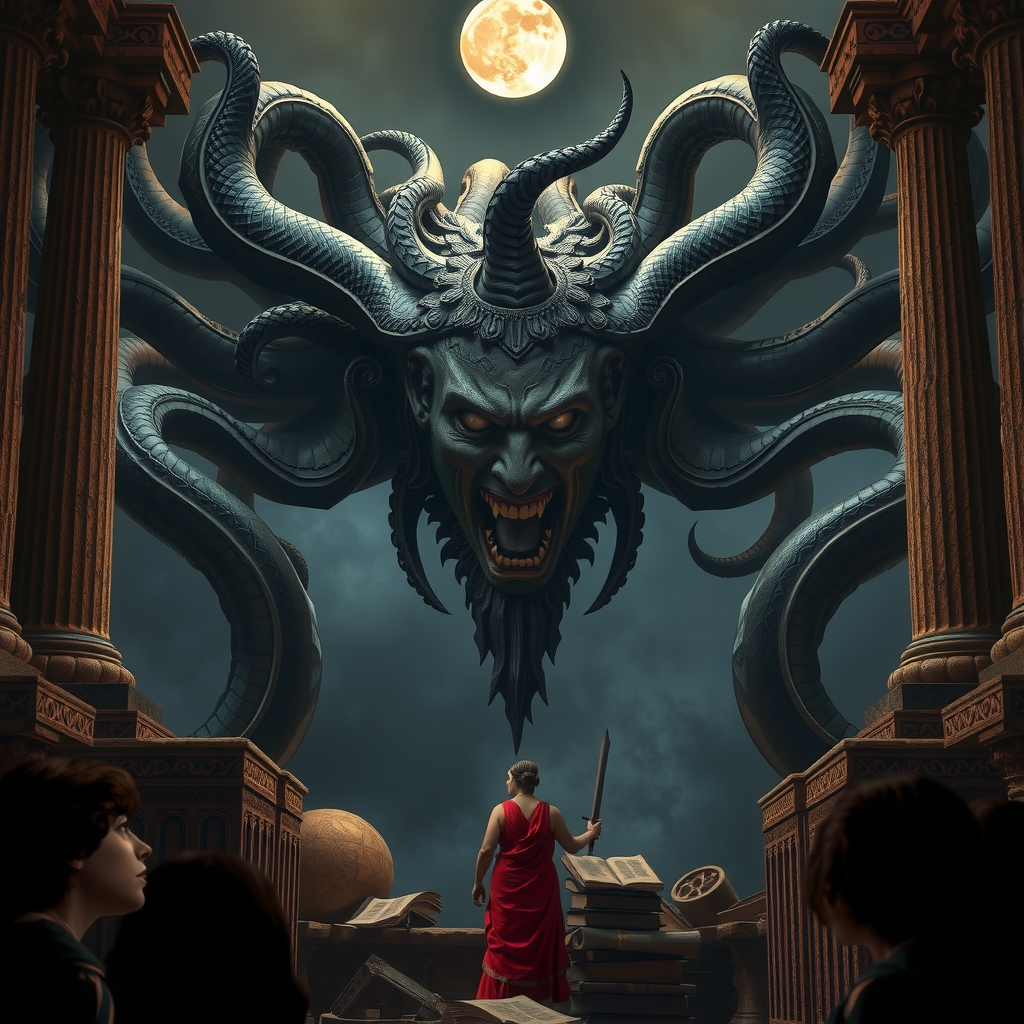
Mythality
Long exposure of star trails over Aphrodisias ruins at night.
Mythality — Where Legends Breathe

Enter the Age of Myth

From Olympus to Asgard, from the banks of the Nile to the shadowed Underworld — every civilization has spoken to the gods.

Begin Your Journey
New Expansion African Mythology Now Live

The Myths of Africa Await

From the thunder of Shango across Yorubaland to the star-wisdom of the Dogon, from the pharaonic gods of Nubia to the ancestral spirits of the Zulu — Africa holds the oldest living mythological traditions on Earth. We have opened the gates.

Explore African Mythology Browse By Region ↓

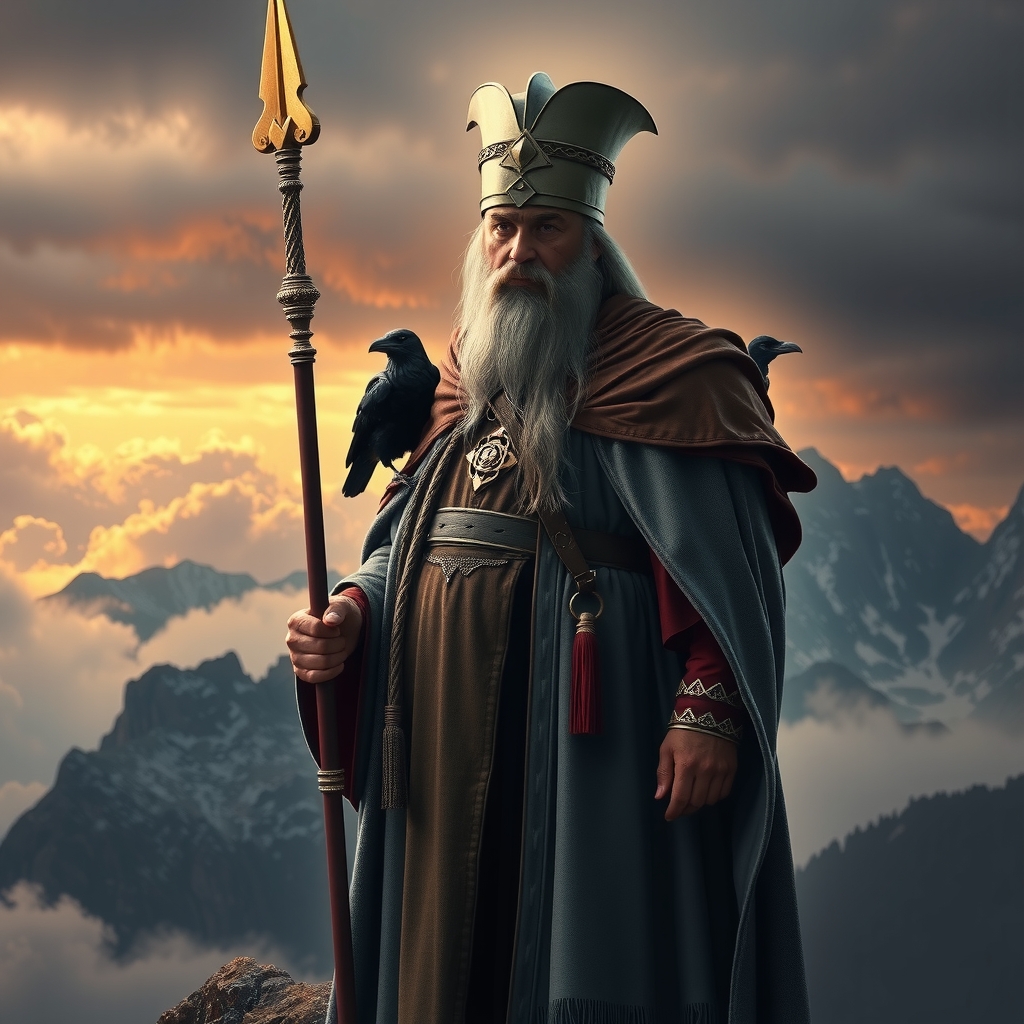
The Binding of Fenrir

Norse Mythology · Long-Form Excerpt

"In the age before the final winter, when the gods of Asgard still walked boldly across the nine worlds, there grew among them a dread that no spear could pierce and no wall could contain — the wolf Fenrir, son of Loki, whose jaws spread wide enough to touch the earth and sky at once."

The Æsir had raised Fenrir themselves, foolishly believing they might tame what could not be tamed. Only Tyr, the one-handed god of justice, dared feed the beast each morning — walking close enough to feel the warm breath of apocalypse against his palm. But as Fenrir grew, the gods grew afraid. Twice they forged chains — Leyding and Dromi, iron links thick as temple pillars — and twice the wolf shook them loose like winter frost from a pine bough.

In desperation, Odin sent word to the dwarves of Nidavellir, the master-smiths who had crafted Mjolnir and Gungnir and the golden hair of Sif. The dwarves fashioned something no eye could see and no hand could weigh: Gleipnir, a ribbon of silk soft as a whisper, woven from six impossible things — the sound of a cat's footstep, the beard of a woman, the roots of a mountain, the sinews of a bear, the breath of a fish, and the spittle of a bird.

When the gods brought this gossamer thread before Fenrir on the island of Lyngvi, the wolf laughed. It seemed too light, too laughable, too much like a jest. But he was no fool — he sensed seiðr in its weave, old magic older than the gods themselves. He agreed to be bound only on one condition: that one of the Æsir place their hand within his jaws as a pledge of good faith.

Silence fell across the assembly of gods. Every hand withdrew. Every god looked away — every god except Tyr, who met the wolf's golden eyes and placed his right hand between those terrible teeth without flinching. Fenrir strained against Gleipnir and found, to his horror, that the more he struggled, the tighter it held. The ribbon became a chain no strength in all the cosmos could break. And Tyr's hand was gone — the price of keeping the world intact until Ragnarök's appointed hour.

Read More Stories →

Before History, There Was Story

Long before writing carved its first mark upon clay and stone, human beings looked into the storm and saw the face of a god. They watched the sun drown in crimson and rise triumphant, and they called it a myth — a sacred truth beyond the reach of proof.

Mythology is not mere fiction. It is the concentrated wisdom of civilizations — their fears, their longing, their moral architecture — compressed into the form of immortal narrative. Here at Mythality, we treat these stories with the reverence they deserve: not as fairy tales, but as the founding documents of the human imagination.

Explore pantheons from across the ancient world. Meet the gods, heroes, and monsters who shaped how millions of people understood their existence. Every myth is a door. Step through.

Explore Every Tradition

Greek
Gods of Olympus
🦅
Roman
Empire of the Gods
𓂀
Egyptian
Gods of the Nile
🪓
Norse
Sagas of the North
🐉
Creatures
Beasts of Myth
New
🍀
Celtic
Druids & the Otherworld
New
🏛️
Mesopotamian
Cradle of Civilization
New
🪷
Hindu
Gods of the Vedas
New
☯️
Chinese
Legends of the Dragon
New
🌍
African
Voices of the Continent
African Mythology

Country by Country

Africa is not one mythology but many — a vast continent of sovereign traditions, each with its own cosmos, its own divine pantheons, and its own vision of the sacred. Select a tradition below to begin.

West Africa · Nigeria
Yoruba

Orishas, Shango's thunder, and the cosmic drama of Ile-Ife — the Yoruba tradition is among Africa's most influential living mythologies.

Explore Yoruba →
Northeast Africa · Sudan
Nubian

Older than Egypt itself, Nubian mythology weaves pharaonic gods with indigenous Kushite traditions along the upper Nile.

Explore Nubian →
West Africa · Ghana
Akan

Anansi the spider-trickster, Nyame the sky god, and a rich cosmology born in the forests of present-day Ghana and Ivory Coast.

Explore Akan →
Southern Africa · South Africa
Zulu

Unkulunkulu, the First Man; uThixo in the sky; and ancestral spirits who bridge the living and the dead in Zulu sacred tradition.

Explore Zulu →
West Africa · Mali
Mali

The Mande-speaking peoples of Mali preserve epic traditions of Sundiata, Faro the water spirit, and a cosmos shaped by divine word.

Explore Mali →
West Africa · Nigeria
Igbo

Chukwu the supreme creator, chi personal spirits, and the earth goddess Ala form the heart of Igbo cosmological thought.

Explore Igbo →
East Africa · Ethiopia
Ethiopian

From the Queen of Sheba to Waq the sky god of the Oromo, Ethiopia holds some of the Horn of Africa's most ancient sacred narratives.

Explore Ethiopian →
West Africa · Mali
Dogon

The Dogon of the Bandiagara Escarpment built one of the world's most intricate cosmologies — centred on Nommo, the star Sirius, and creation from the void.

Explore Dogon →
View All African Mythology →

Myths Through the Ages

c. 2100 BCE
The Epic of Gilgamesh
The oldest recorded myth in human history — a Sumerian king's quest for immortality written on clay tablets in ancient Mesopotamia.
Explore Mesopotamian Myths →
c. 1550 BCE
The Egyptian Book of the Dead
A collection of spells and hymns guiding the deceased through the Duat — the Egyptian underworld — toward the Hall of Two Truths.
Explore Egyptian Myths →
c. 1500–500 BCE
The Vedic Texts of India
The Rigveda and Mahabharata codify the vast pantheon of Hindu deities — Brahma, Vishnu, Shiva — and the cosmic cycles of creation and destruction.
Explore Hindu Myths →
c. 700 BCE
Hesiod's Theogony
Greek poet Hesiod organizes the entire Greek cosmology — Chaos, the Titans, the Olympians — into the first systematic mythology of the Western world.
Explore Greek Myths →
c. 300 BCE
Classic of Mountains and Seas (China)
The Shanhaijing catalogues Chinese mythological geography — divine creatures, sacred mountains, and the ancient gods who shaped the Middle Kingdom.
Explore Chinese Myths →
c. 700–1200 CE
Norse Eddas & Celtic Manuscripts
The Prose Edda of Snorri Sturluson and the Irish Book of Invasions preserve the last great mythologies of northern and western Europe before Christianization.
Explore Celtic Myths →
A dramatic view of a road leading through Banff National Park capturing the essence of travel and adventure.

Choose Your Pantheon

Every path leads to a different heaven

A detailed renaissance-style marble sculpture of Apollo against a vibrant blue background, showcasing classical art.
Greek
Gods of Olympus
Roman mythology section card image
Roman
Empire of the Gods
Egyptian mythology section card image
Egyptian
Gods of the Nile
Norse mythology section card image
Norse
Sagas of the North
Creatures section teaser image
Creatures
Beasts of Myth

Fresh From the Archive

Celtic

The Children of Lir

A jealous stepmother transforms four royal children into swans for nine hundred years — one of the most haunting tales of the Irish mythological cycle.

Read Story →
Mesopotamian

Inanna's Descent into the Underworld

The great Sumerian goddess strips herself of power at each gate of the underworld, confronting death itself in one of humanity's oldest recorded myths.

Read Story →
Hindu

The Churning of the Cosmic Ocean

Gods and demons together churn the primordial sea using a mountain and a divine serpent, drawing forth treasures, poison, and the nectar of immortality.

Read Story →
Chinese

Nüwa Repairs the Sky

When the sky cracks and floods pour through, the goddess Nüwa melts five-colored stones to seal the heavens and saves humanity from annihilation.

Read Story →
Greek

Orpheus in the Underworld

Armed only with a lyre and grief, the poet Orpheus descends into Hades to reclaim his lost love Eurydice — and nearly succeeds.

Read Story →
Norse

The Mead of Poetry

Odin steals the magical mead brewed from the blood of Kvasir — the wisest being ever born — granting poets and skalds their divine gift of verse.

Read Story →
View All Stories →

Myth Facts to Astonish You

The Eggplant & the Ancient World

Long before the eggplant graced Mediterranean kitchens, it was cultivated in ancient India as far back as 300 BCE, where Sanskrit texts describe it as vatinganah — a plant believed to carry spiritual and medicinal significance. Ancient Ayurvedic writings reference it alongside rituals of purification and seasonal harvest offerings made to the gods.

From India, the eggplant travelled westward along trade routes through Persia and into the Arab world, eventually reaching the Mediterranean by the early medieval period — carried by the same merchant roads that once bore spices offered at temple altars from Egypt to Rome. Some scholars note that its deep purple hue made it a symbol of dusk, mystery, and the threshold between worlds in folk traditions across the ancient Near East.

A small vegetable with a surprisingly mythic journey through the ancient world.

"Myths are public dreams; dreams are private myths. They are the secret openings through which the inexhaustible energies of the cosmos pour into human cultural manifestation."
— Joseph Campbell, The Hero with a Thousand Faces

Stories, Animated & Told

Short films and retellings from the mythological world — curated from across the ages of the internet.
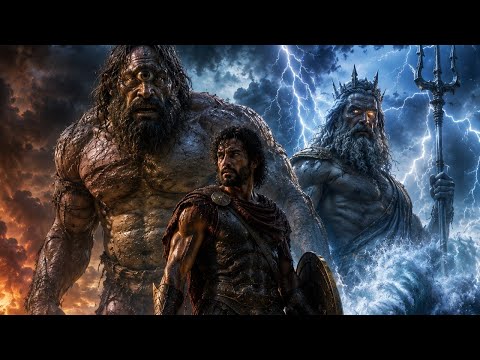
The Elements of Nature | Greek Mythology Short Film
The Elements of Nature | Greek Mythology | Short Film
The Odyssey Explained in 60 Seconds
The Odyssey Explained in 60 Seconds ⚔️
PAREIDOLIA - 1 Minute Short Film
PAREIDOLIA — 1 Minute Short Film | Award Winning
African Folktales, Reimagined — Netflix & UNESCO
African Folktales, Reimagined | Netflix & UNESCO
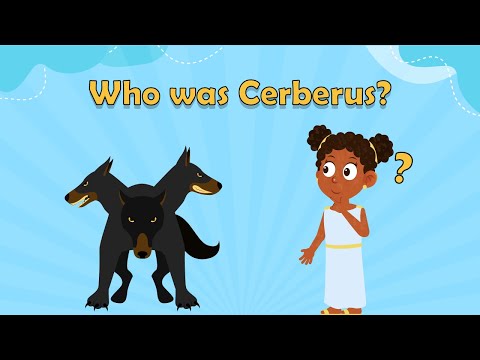
What is Cerberus? Greek Mythology for Kids
What is Cerberus? | Greek Mythology for Kids
how different players do MLG water bucket
How Different Players Do MLG Water Bucket
Pre-Stitched Sarees Lack Versatility | Myth vs Truth

Frequently asked questions

What is Mythality?
Mythality is a website dedicated to ancient mythology from cultures around the world. It covers traditions including Greek, Roman, Egyptian, Norse, Celtic, Mesopotamian, Hindu, Chinese, and African mythology, treating these stories not as fairy tales but as the founding documents of the human imagination and the concentrated wisdom of civilizations.
Which African mythology traditions does Mythality cover?
Mythality's African mythology section covers eight distinct traditions: Yoruba, Nubian, Akan, Zulu, Mali, Igbo, Ethiopian, and Dogon. Each is treated as a separate tradition with its own pantheon and cosmology, reflecting the site's view that Africa is not one mythology but many sovereign traditions across the continent.
What is the Featured Story of the Week about?
The featured story is a long-form excerpt about the Binding of Fenrir from Norse mythology. It recounts how the gods of Asgard, unable to break the wolf Fenrir with iron chains, commissioned the dwarves of Nidavellir to craft Gleipnir — a magical ribbon — and how Tyr sacrificed his right hand as a pledge of good faith to bind Fenrir until Ragnarök.
What is Gleipnir, and what was it made from?
Gleipnir is the magical ribbon crafted by the dwarves of Nidavellir to bind the wolf Fenrir. According to the featured story on Mythality, it was woven from six impossible things: the sound of a cat's footstep, the beard of a woman, the roots of a mountain, the sinews of a bear, the breath of a fish, and the spittle of a bird.
What is the oldest myth featured on Mythality's timeline?
According to Mythality's World Mythology Timeline, the oldest recorded myth featured is the Epic of Gilgamesh, dated to approximately 2100 BCE. It is described as the oldest recorded myth in human history — a Sumerian king's quest for immortality written on clay tablets in ancient Mesopotamia.

Upgrade this site

Describe what you want — Pillar will plan, build, and deploy it. Learn More