Mythality · The Great North
Canadian
Mythology
From the frozen shores of the Arctic to the old-growth forests of the Pacific Coast — legends, spirits, and sacred stories that shaped a continent across thousands of years of oral tradition.
Enter the storiesA Nation of Many Mythologies
Canada's mythological landscape is among the most diverse on Earth — a vast tapestry woven from hundreds of distinct Indigenous oral traditions, Inuit cosmologies, Métis hybrid stories, and settler-era folklore.
Long before the word "Canada" existed, the land now bearing that name was home to over 600 distinct First Nations, each with their own sacred stories, spirit beings, creation accounts, and ritual knowledge. These were not mere entertainment — they were living cosmologies, ethical frameworks, and maps of a deeply animate world in which every river, stone, and wind carried spiritual significance.
This guide traverses that vast territory: from the Windigo stalking the boreal forest, to Sedna ruling the Arctic deep, to the cunning Raven reshaping the world, to the little people of Métis legend and the sea monsters of the Pacific Coast. Explore parallel traditions on our First Nations Mythology page and discover how Canada's sacred geographies connect through the Mythology Atlas.
- 🦅 Pacific Northwest Peoples — Haida, Tsimshian, Tlingit
- 🐃 Plains Nations — Blackfoot, Cree, Nakoda
- 🐢 Eastern Woodlands — Anishinaabe, Haudenosaunee
- ❄️ Inuit — Inuktitut traditions of the Arctic
- ∞ Métis — The woven people of Red River
- 🌲 Boreal Nations — Dene, Ojibwe, Algonquin
- 🌊 Maritime Peoples — Mi'kmaq, Maliseet
Creation Stories
Across the diverse nations of Canada, creation is not a single event but an ongoing relationship between humans, animals, spirits, and the living earth.
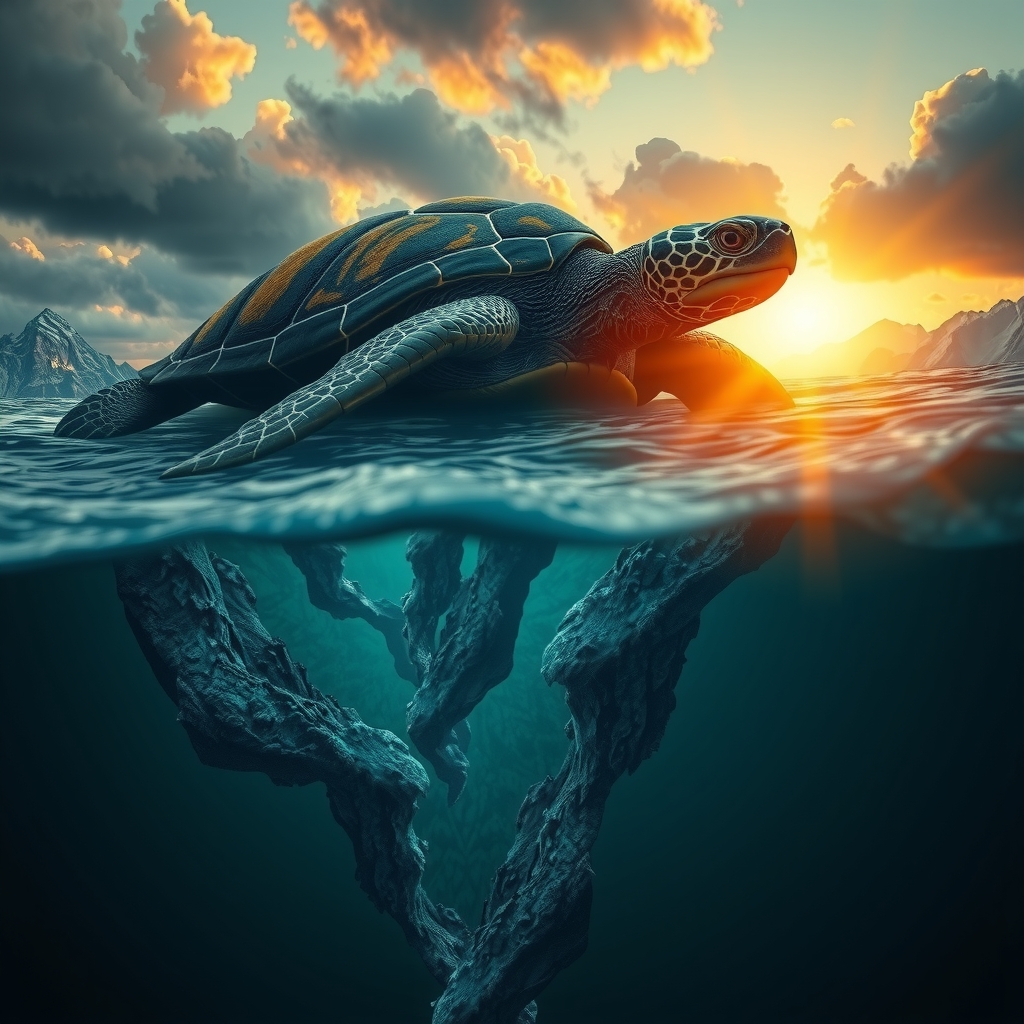
Turtle Island. Perhaps the most widespread creation narrative across eastern and central Canada is that of Turtle Island — the great landmass that rests on the back of a cosmic turtle. In Anishinaabe and Haudenosaunee (Iroquois) tradition, Sky Woman fell from the world above and was caught by birds. The animals dove into the primordial ocean to retrieve earth, and the muskrat succeeded — placing the mud on Turtle's back, where it grew into the world we know. The full Turtle Island account on our First Nations page explores regional variations.
Raven Steals the Sun. On the Pacific Northwest Coast, the world was originally shrouded in darkness, held captive in a box by a powerful chief. Raven — the great shapeshifter — transformed himself into a pine needle, was swallowed by the chief's daughter, and born as a human child. Crying until the chief relented, Raven released the sun, moon, and stars into the sky, gifting light to the world. It is one of the most celebrated creation myths in North American Indigenous tradition.
"The earth does not belong to us — we belong to the earth. All things are connected like the blood that unites us all."
— Attributed across many Anishinaabe and Plains oral traditionsNapi and the Prairie. Among the Blackfoot peoples of the Great Plains, Napi (Old Man) shaped the world out of clay and mud, creating mountains, rivers, and animals. He is a complex figure — both creator and trickster — whose exploits explain the origins of landscape features across what is now Alberta and Montana. His counterpart, Napi (Old Woman), contributed the laws of life and death, ensuring the world remained in balance.
The Windigo
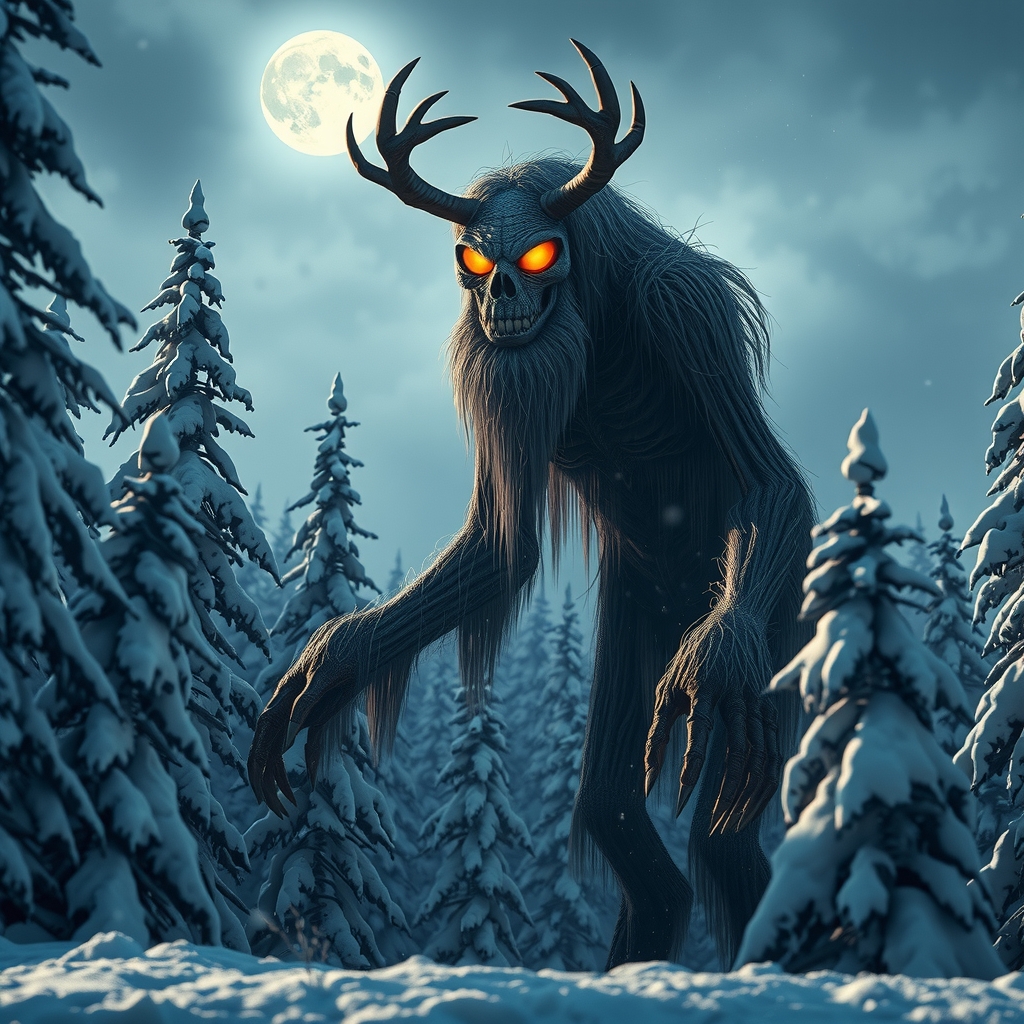
No creature in Canadian mythology inspires more dread than the Windigo — a towering, gaunt spirit of winter starvation that haunts the boreal forest and the minds of those who have gone too long without food.
Originating primarily in Algonquian-speaking traditions — including the Ojibwe, Cree, Innu, and Naskapi — the Windigo (also spelled Wendigo, Witiko, or Wetiko) is a being of profound horror. Described as impossibly tall, skeletal yet enduring, with a heart of ice and an insatiable hunger for human flesh, the Windigo represents the darkest extreme of winter isolation: the psychic collapse of a person who has resorted to cannibalism to survive.
What makes the Windigo remarkable is its duality: it is simultaneously a supernatural monster and a psychological phenomenon. "Windigo psychosis" was documented by early anthropologists — a condition in which starving individuals believed themselves transforming into the creature, compelled by an overwhelming urge to consume human flesh. Whether this was a genuine culture-bound syndrome or a colonial misreading of Indigenous grief and trauma remains deeply debated.
In the mythology itself, a person could become a Windigo by consuming human flesh during famine, by being cursed by a shaman, or by being touched by a Windigo itself. The only cures involved boiling tallow or fat to melt the creature's frozen heart, or powerful counter-shamanic ritual. Community members were sometimes killed if they showed signs of Windigo possession — a tragic intersection of myth and starvation-era survival.
The Windigo has since entered Canadian popular culture, appearing in Stephen King's work, Algernon Blackwood's classic horror story The Wendigo (1910), and countless modern interpretations. Yet Indigenous scholars like Ojibwe writer Louise Erdrich and Cree scholar Neal McLeod have called for recognition that the Windigo, at its root, is a teaching about the dangers of selfishness and the corrosive power of insatiable greed — a deeply ethical myth, not merely a monster story. See also our Creatures & Monsters page for parallel figures across world mythology.
Inuit Mythology — Sedna, Nanook & the Arctic Spirits
The Inuit peoples of the Canadian Arctic — including Inuktitut, Inuvialuit, and Nunavut communities — developed a rich mythology shaped by the extreme demands and profound beauty of life on the ice.
Inuit cosmology is fundamentally animist: every animal, landform, weather pattern, and celestial body possesses a spirit (inua). Shamans (angakkuit) could communicate with these spirits, entering trance states to travel between worlds, heal the sick, and ensure successful hunting. The world is understood as layered — a sky realm, earth realm, and sea realm — each inhabited by its own hierarchy of beings.
Sedna — Mistress of the Sea
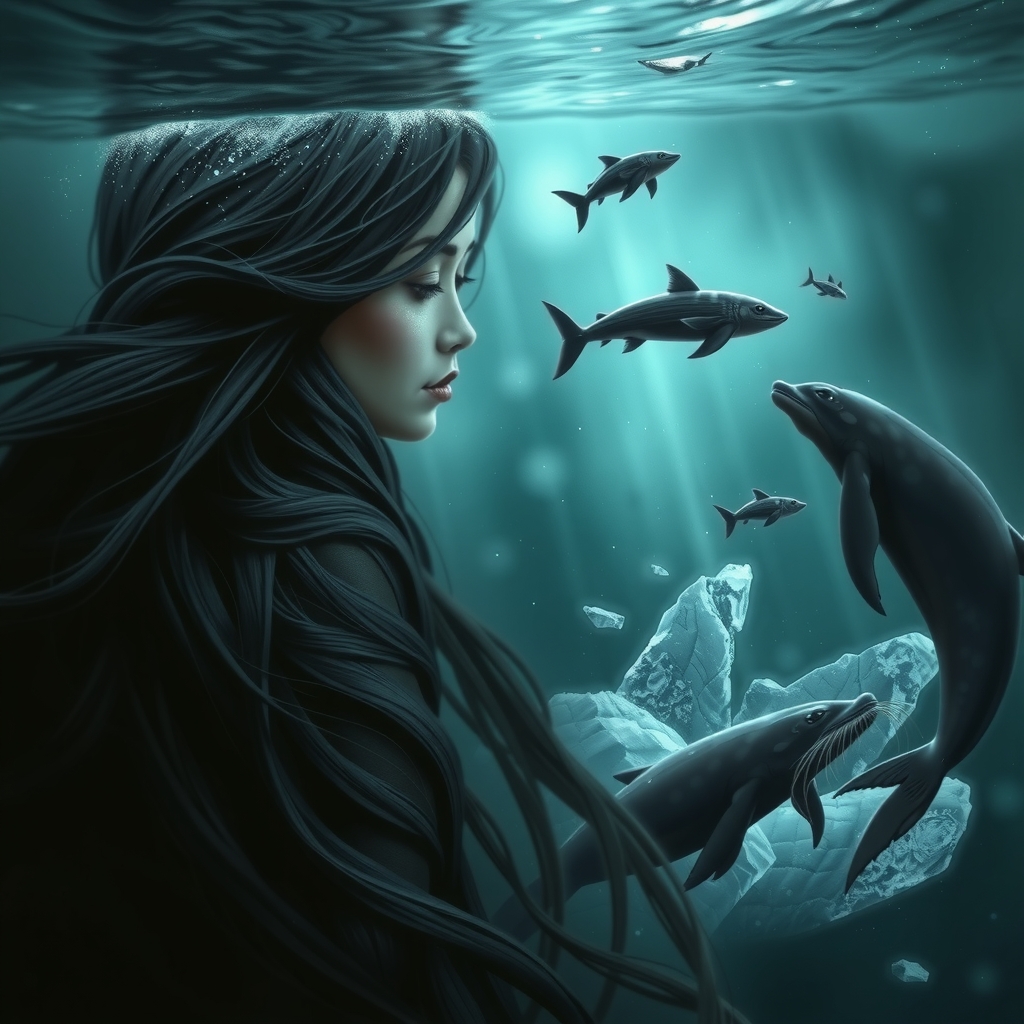
The most powerful figure in Inuit mythology, Sedna rules the ocean and all its creatures. In the most common version of her myth, she was a young woman thrown from a kayak (by her father, husband, or both) and, as she clung to the gunwale, her fingers were cut off joint by joint. Each joint became a sea creature — seals, walruses, whales, fish. Her fingerless body sank to the ocean floor, where she became Nunavummi Umajuit Annaana — Mother of Sea Beasts.
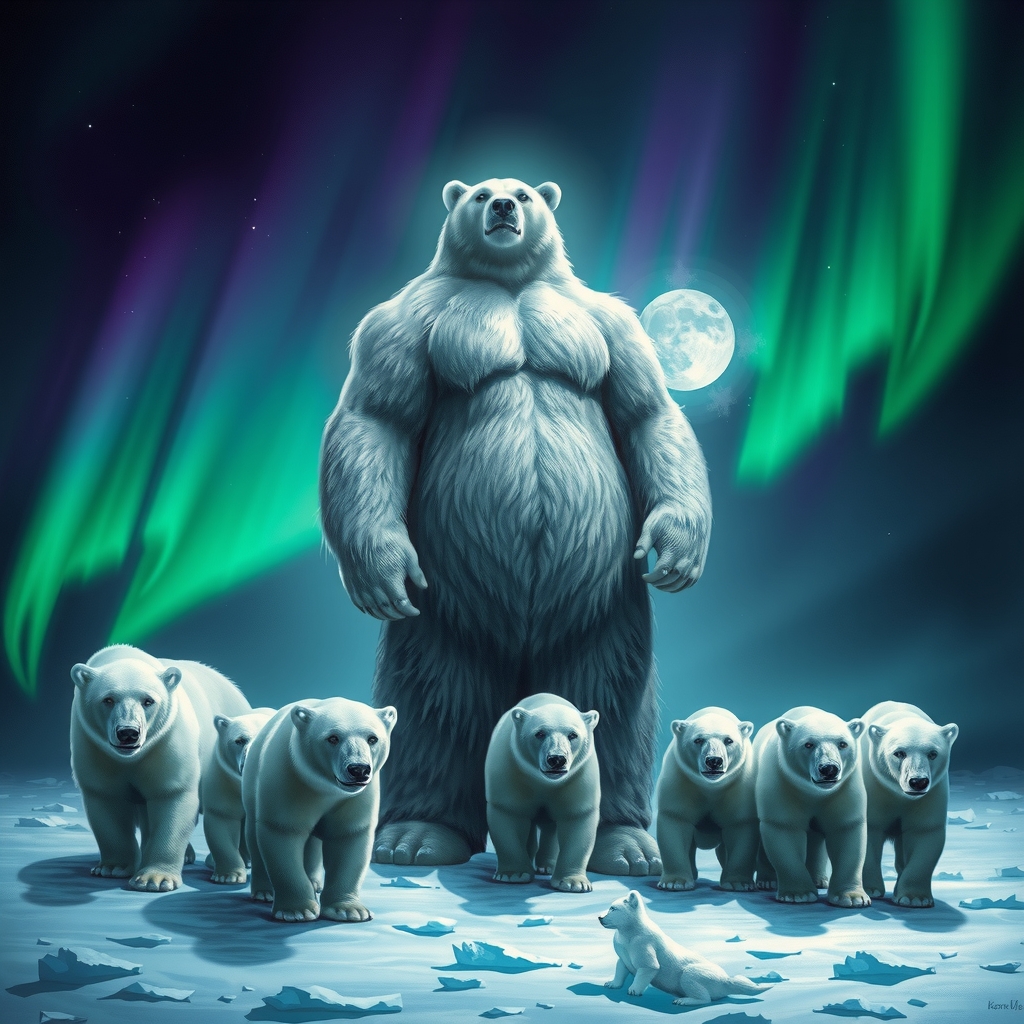
Nanook — Master of Bears
Nanook (or Nanuq) is the master of polar bears, a great spirit who judges hunters on their treatment of the bears they kill. Respectful hunters who honoured the bear's spirit — returning bones to the sea, performing ritual — would be guided by Nanook to future prey. Disrespectful hunters would face starvation, misfortune, or the bear's revenge. The polar bear was never simply game; it was a fellow being requiring honour.
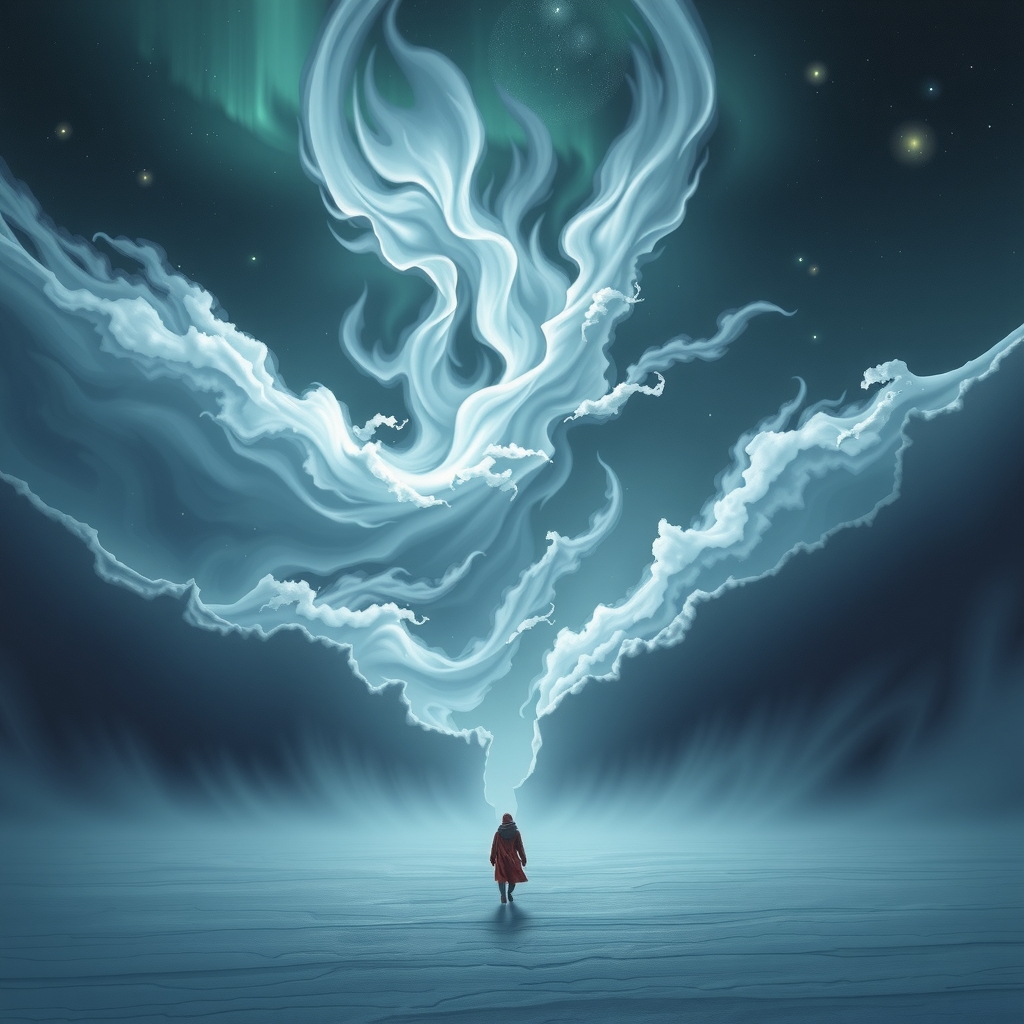
Sila — the Spirit of Air
Sila is the universal spirit of weather, consciousness, and the very air itself — one of the most abstract and profound concepts in Inuit cosmology. Unlike a personal deity, Sila is impersonal: the animating intelligence suffusing all things. It cannot be prayed to directly but can be understood through attentive, respectful living. The Inuit word silaksoq — "one who has sense" — derives from this concept of cosmic awareness.
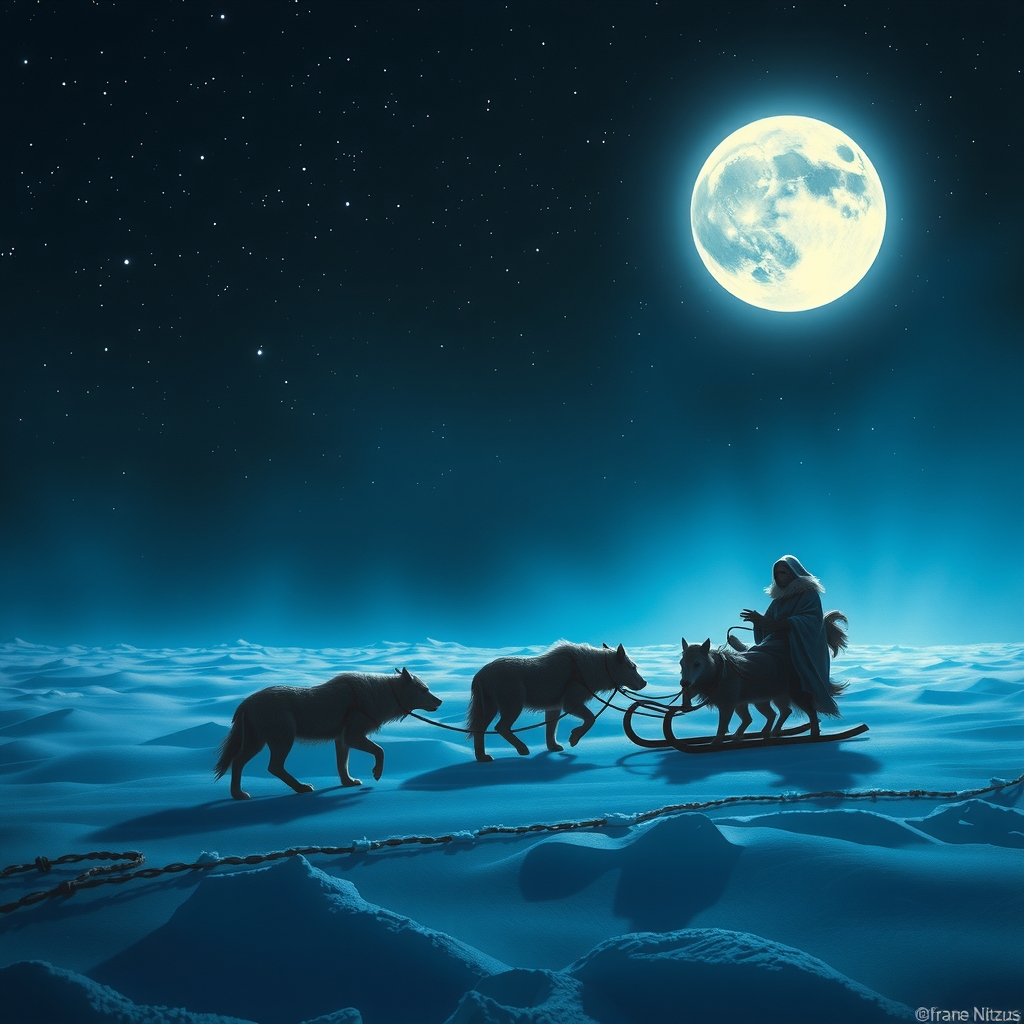
Igaluk — the Moon Spirit
The Moon (Igaluk or Alignak in different dialects) is male in Inuit tradition and the younger brother of the Sun (Seqinek), who is female. In the origin myth, the two were siblings who became the sun and moon after a complex domestic transgression. The Moon Spirit controls tides, weather patterns, and the movements of sea animals, and is petitioned by hunters seeking guidance on ice and water.
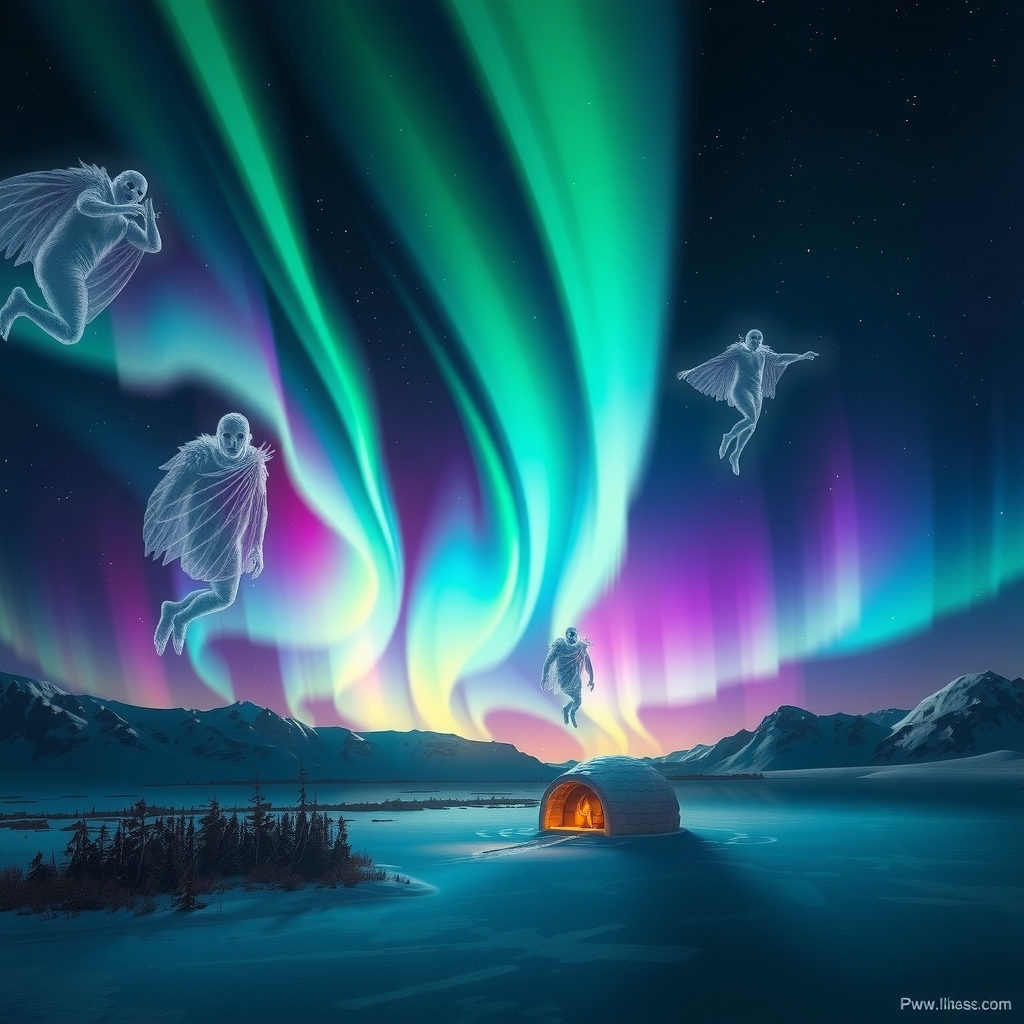
Aqsarniit — the Northern Lights
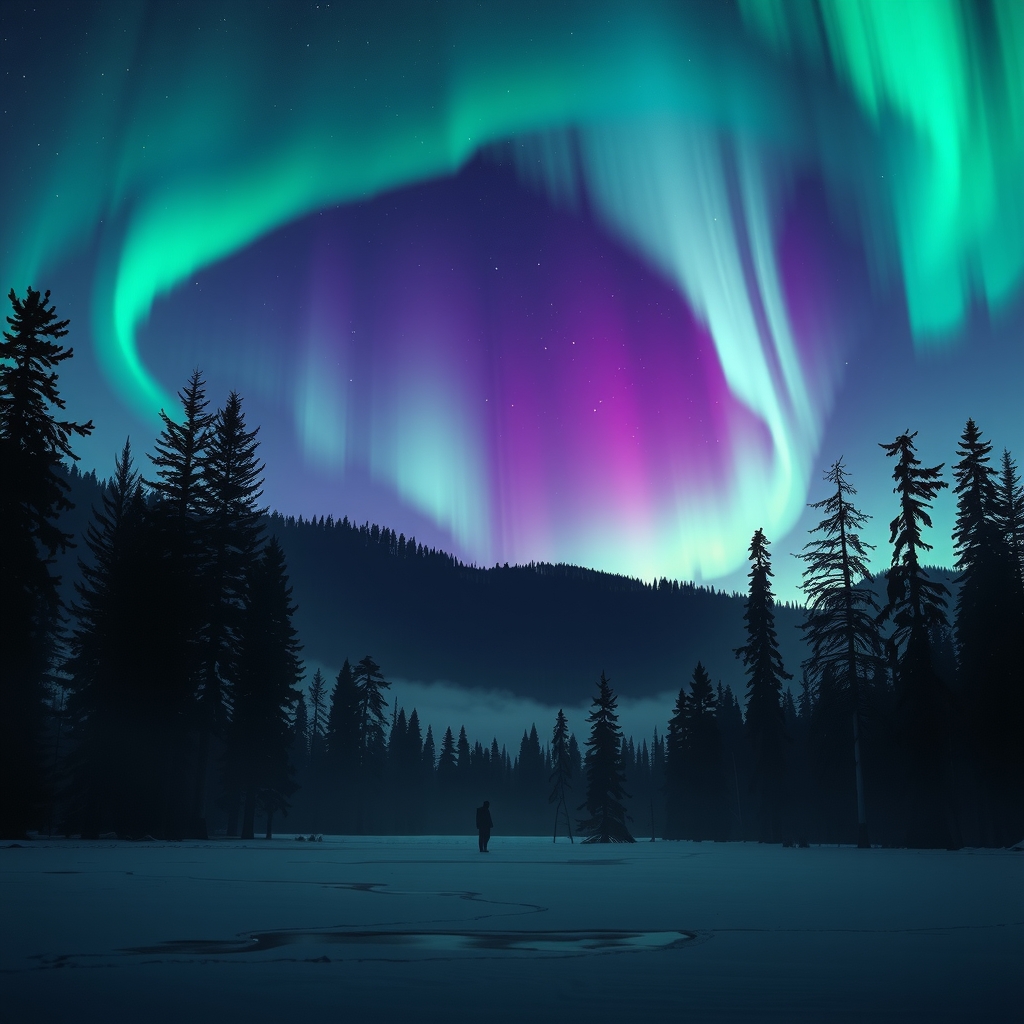
The Northern Lights (Aqsarniit) are understood as the spirits of the dead playing football with a walrus skull. Whistling at them — or waving — would bring them closer. In other traditions they are torches held by spirits guiding the deceased. Certain lights were considered omens of fortune or danger, read by angakkuit (shamans) as messages from the spirit world about hunting, weather, or community need.
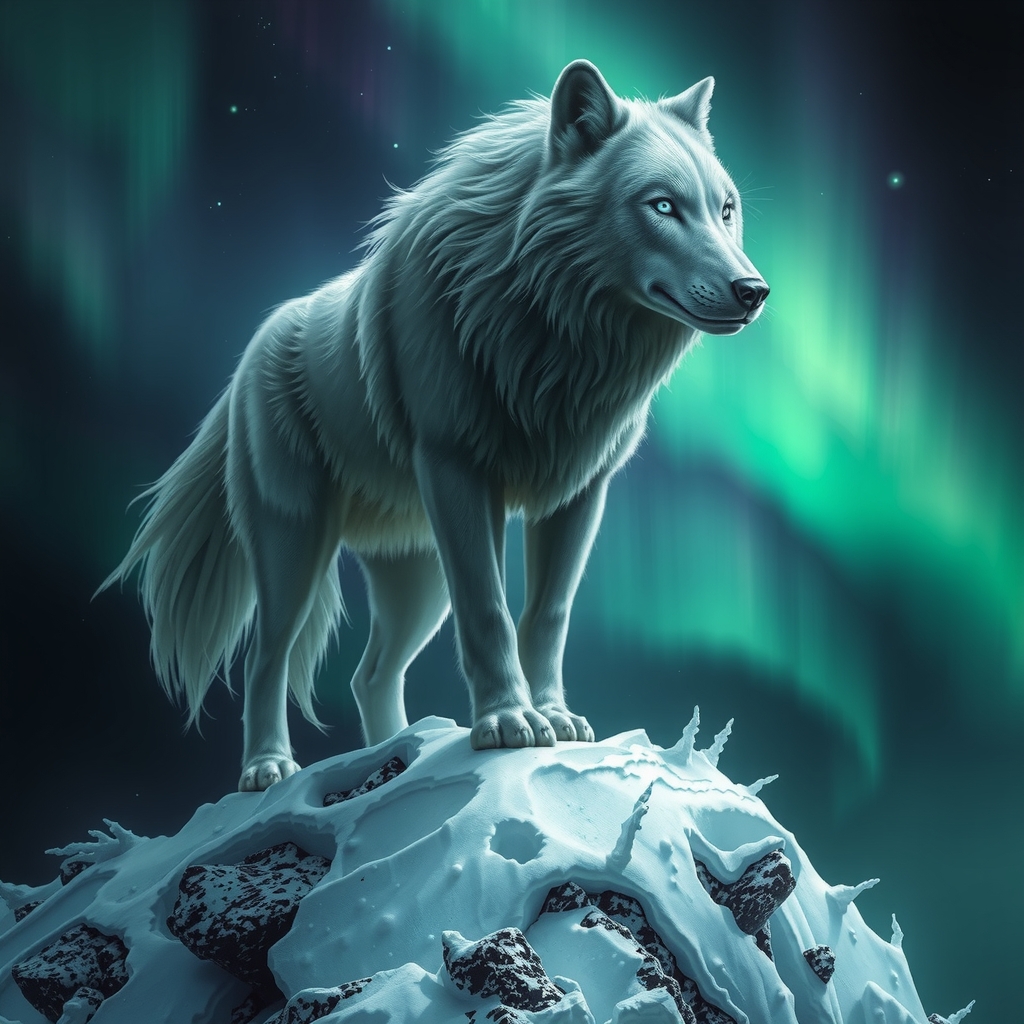
Amarok — the Great Wolf
Amarok is the giant wolf spirit who hunts not humans but weak and sick caribou — a regulator of the herd, sent by the spirit world to maintain ecological balance. Indigenous Inuit tradition held that Amarok was a necessary force of culling, ensuring that only the strong survived to propagate. Hunters who encountered Amarok were witnessing the spirit world maintaining the contract between predator, prey, and the land.
First Nations Spirits & Tricksters
Across virtually every Indigenous tradition in Canada, the trickster figure occupies a central and paradoxical role: creator and destroyer, fool and sage, culture hero and buffoon — simultaneously teaching morality by breaking every rule.
Tricksters are not villains. They are agents of necessary chaos, embodying the unpredictability of life itself. Through their blunders and schemes, they inadvertently reshape the world, bring gifts to humanity, and expose the absurdity of human pretension. They appear in more myths than any other figure in North American Indigenous tradition. Our dedicated Trickster Spirits section explores these traditions in full.
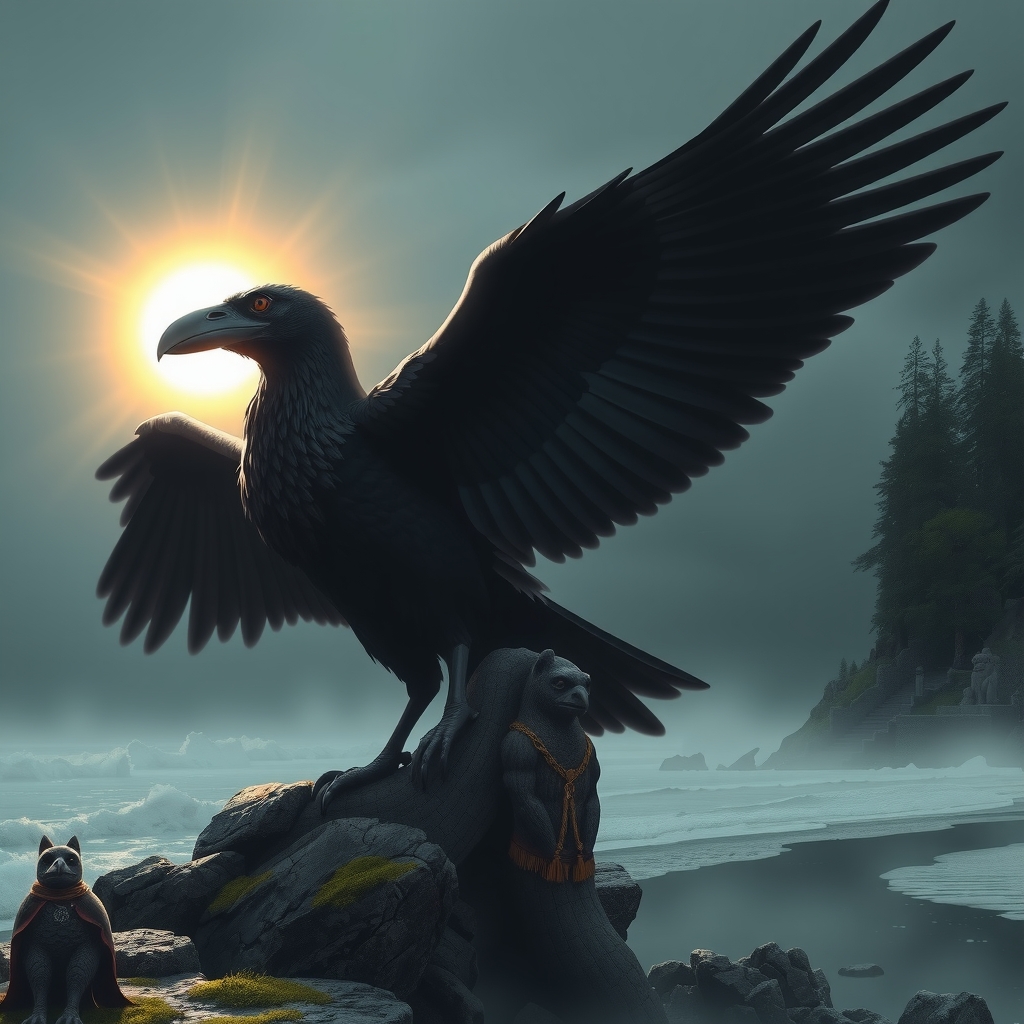
Raven
The supreme trickster of the Pacific Northwest — Haida, Tlingit, Tsimshian, and many other nations — Raven is the world's great transformer. He stole light, released fresh water, created landforms, and peopled the earth, often entirely by accident or for selfish reasons that had noble consequences. Raven is greedy, clever, lustful, and generous by turns. He represents the creative power of chaos and the idea that wisdom and foolishness are not opposites. Explore Raven's myths in detail.
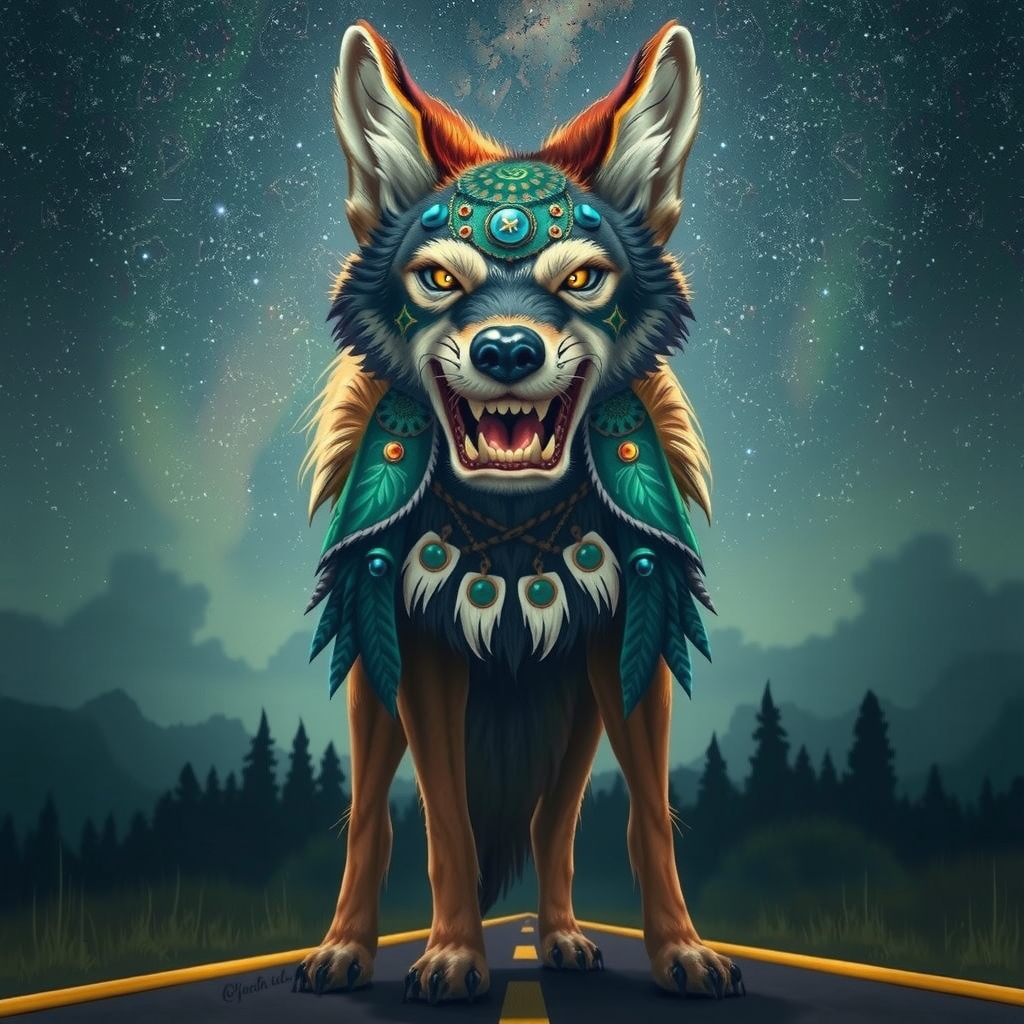
Coyote
Among the Plateau and Great Basin peoples of western Canada — including the Interior Salish, Okanagan, and Secwépemc — Coyote is the great transformer and trickster. He shaped rivers, named mountains, established the salmon runs, and taught humans essential skills. He is never entirely good or reliable: he boasts, is outsmarted, dies and resurrects, and stumbles into greatness. His stories are often told in winter and carry explicit ethical teachings beneath their comedy. See the Coyote traditions.
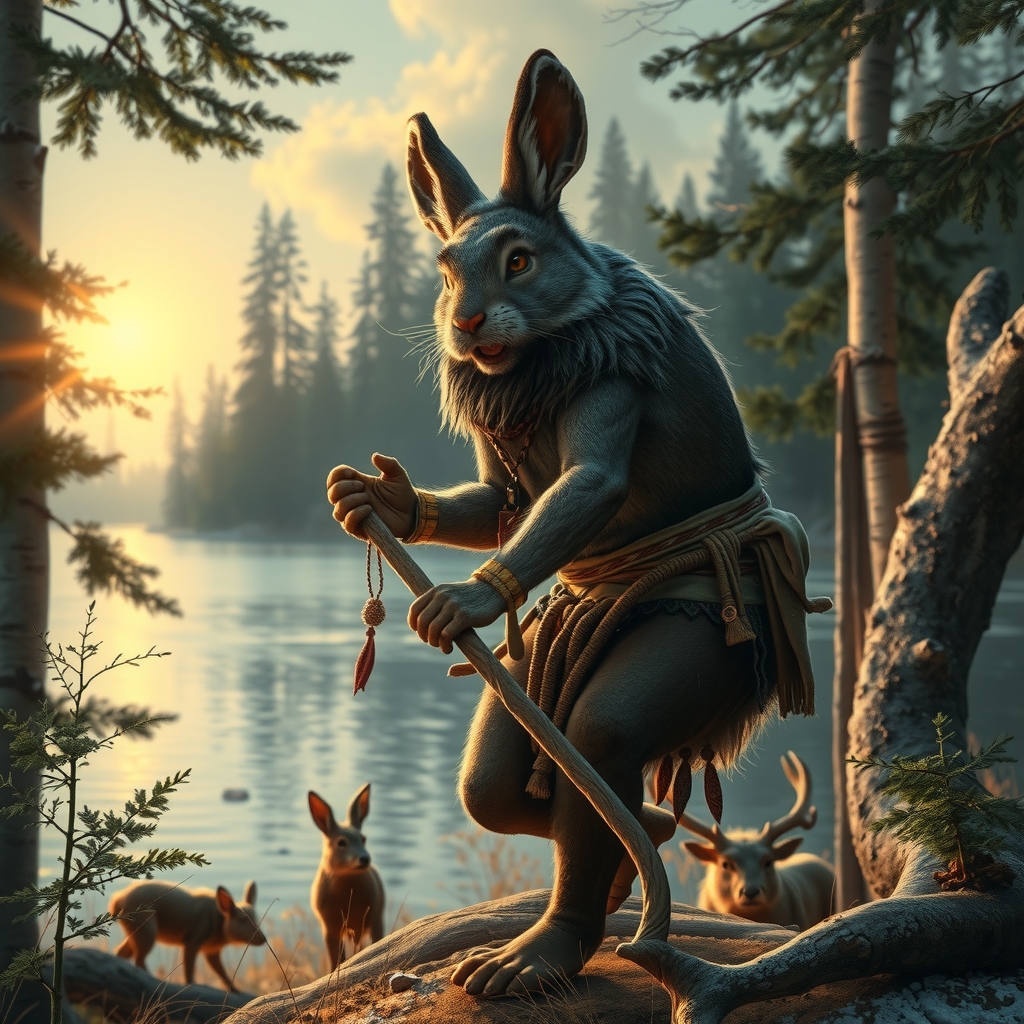
Nanabozho
The Great Hare (Nanabozho, Nanabush, or Waynaboozhoo) is the central culture hero of the Anishinaabe and Ojibwe peoples — the dominant Indigenous culture of central and eastern Canada. Son of a human mother and the west wind, Nanabozho is the transformer who established sacred medicines, taught fishing and trapping, and remade the world after the Great Flood by swimming for earth to place on the turtle's back. He is mischievous but compassionate, blundering but ultimately heroic. Read the Nanabozho legends.
Creatures & Monsters of Canadian Legend
Beyond the Windigo, Canada's mythological landscape teems with remarkable supernatural creatures — shape-shifters, lake monsters, little people, and entities that blur the line between animal and spirit. Many parallel the great beasts of world mythology found in our Creatures & Monsters guide.
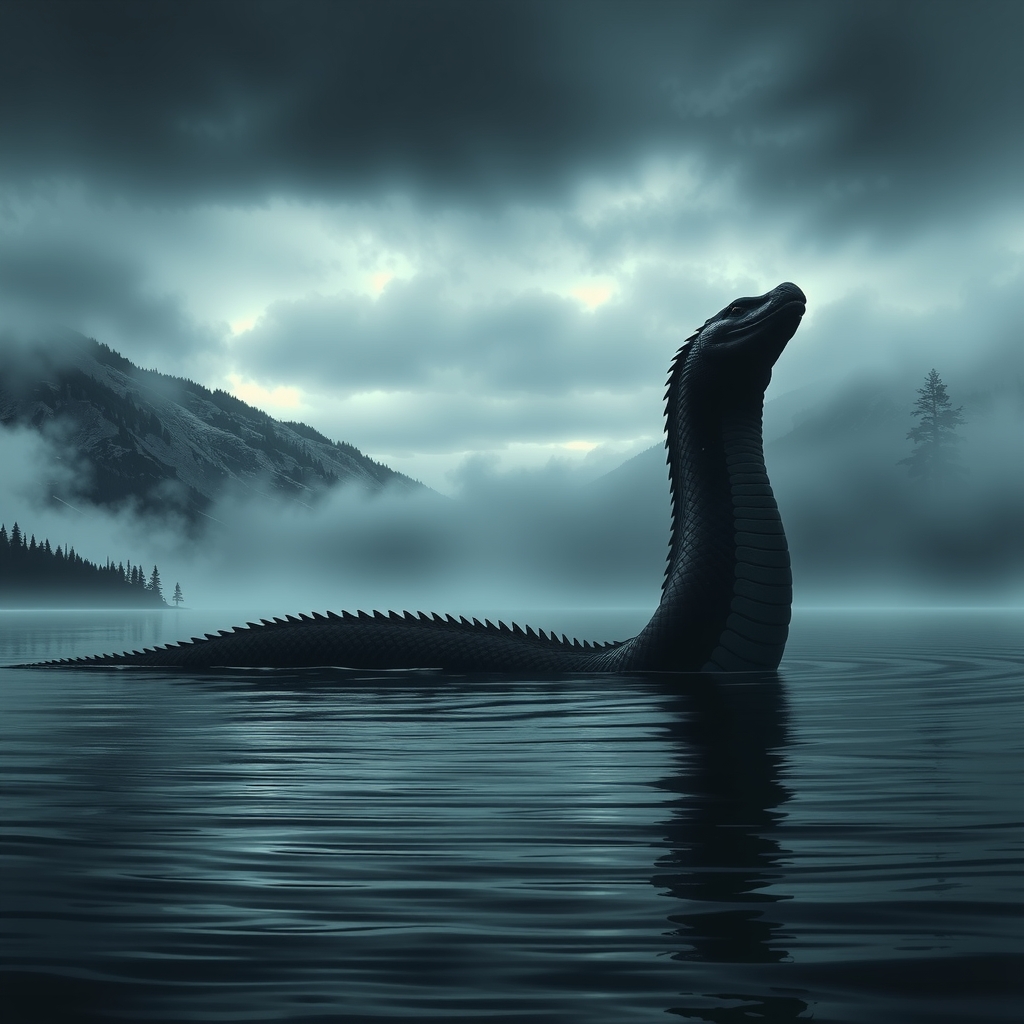
Ogopogo
Lake Okanagan's great serpent, known to the Syilx Okanagan people as N'ha-a-itk — a dangerous water demon requiring offerings before crossing the lake.
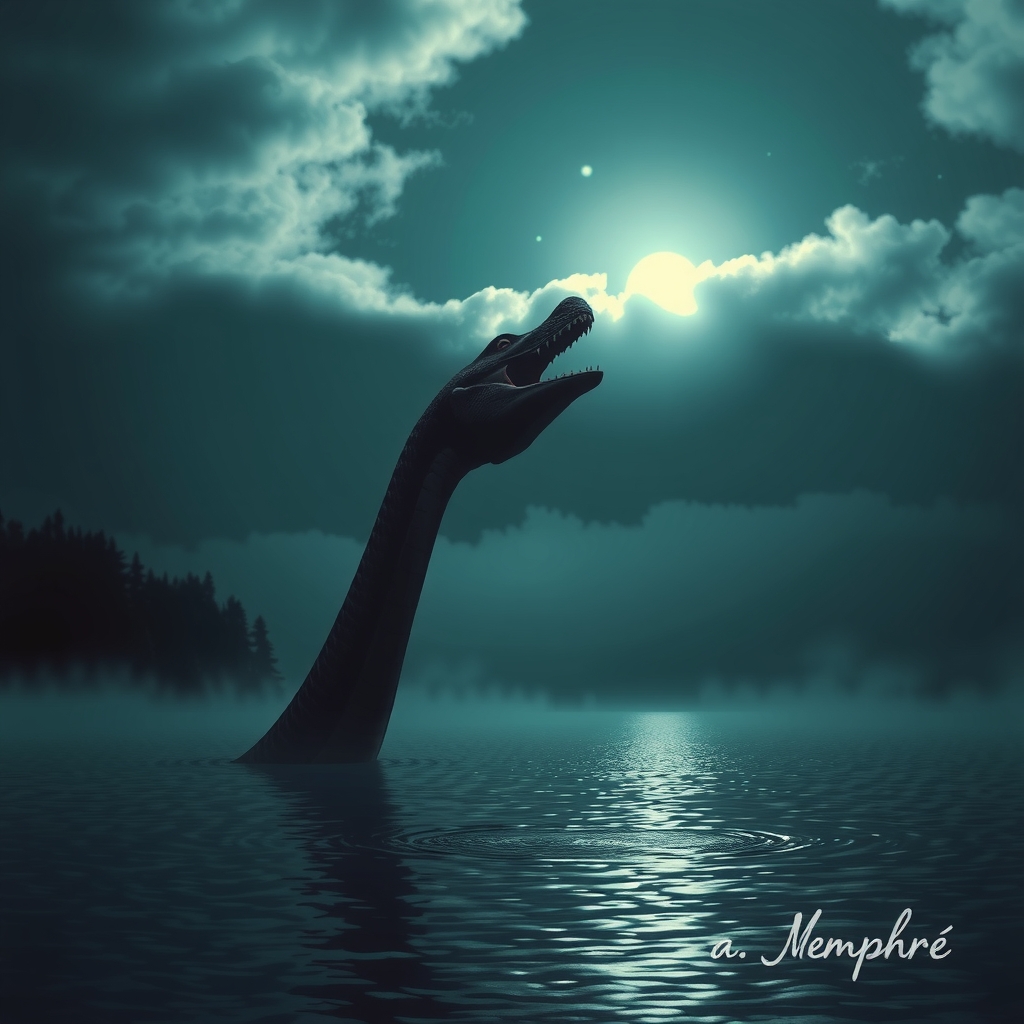
Memphré
The serpentine lake monster of Memphremagog on the Quebec-Vermont border, known in Abenaki tradition as a powerful water spirit demanding respect.
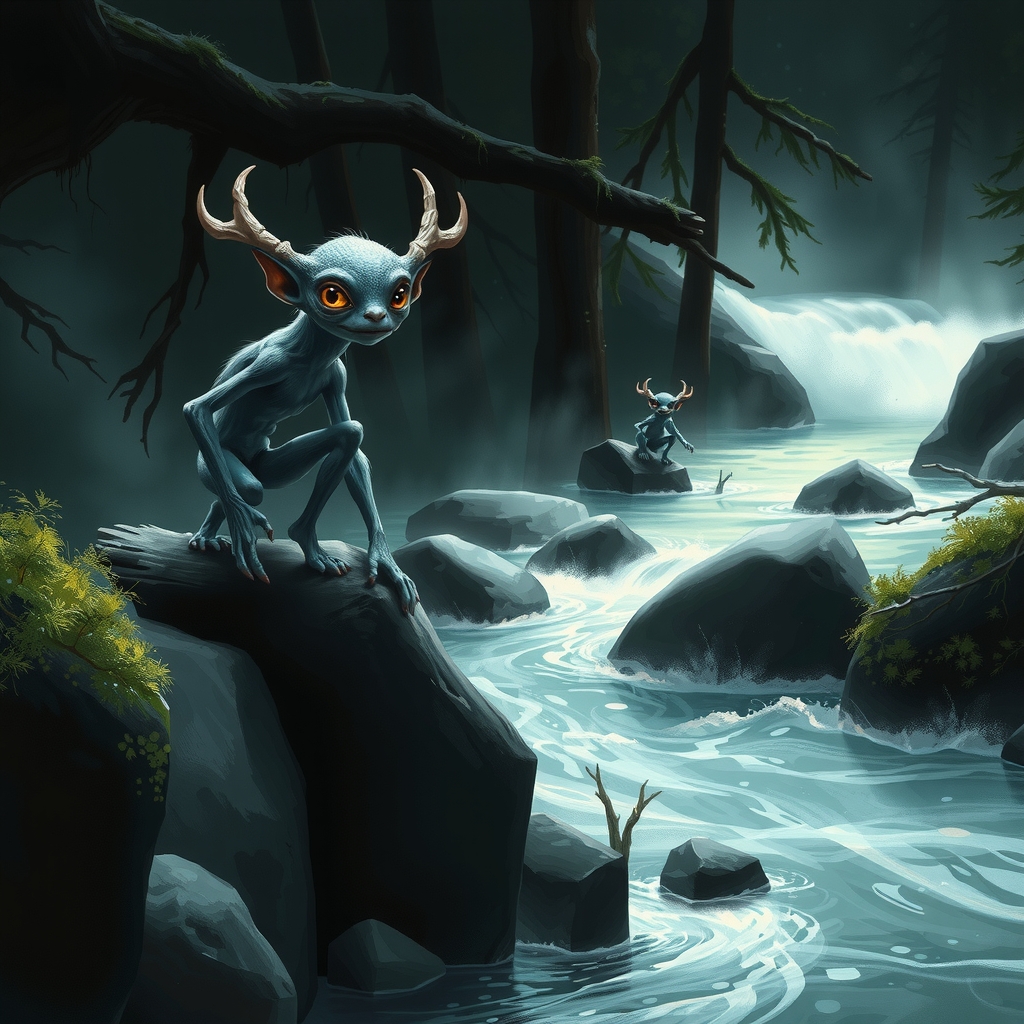
Mannegishi
Trickster spirits of Cree tradition — small, spindly, six-fingered beings who live between rocks in rivers, capsize canoes, and play pranks on travellers.
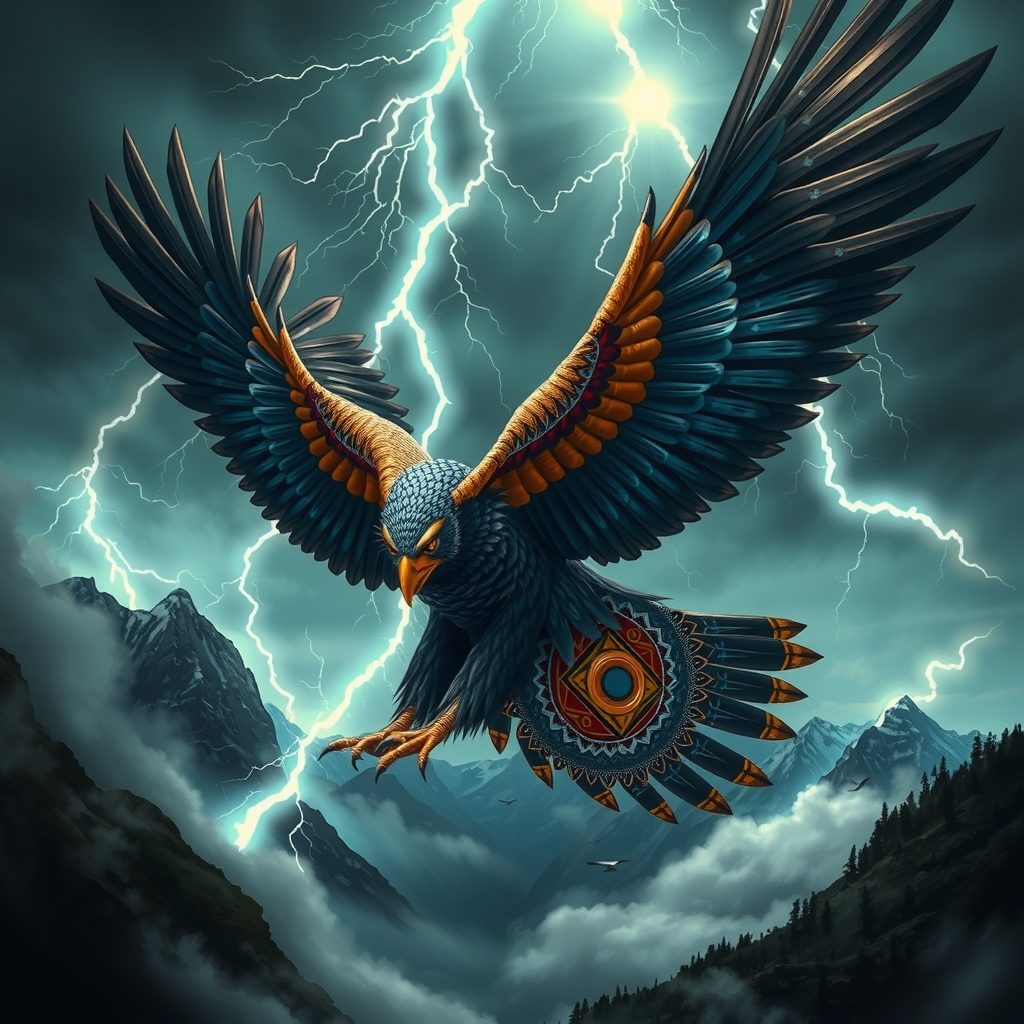
Thunderbird
A colossal supernatural bird whose wingbeats create thunder and whose eyes flash lightning — revered across Plains, Woodlands, and Pacific Coast nations as a being of immense power.
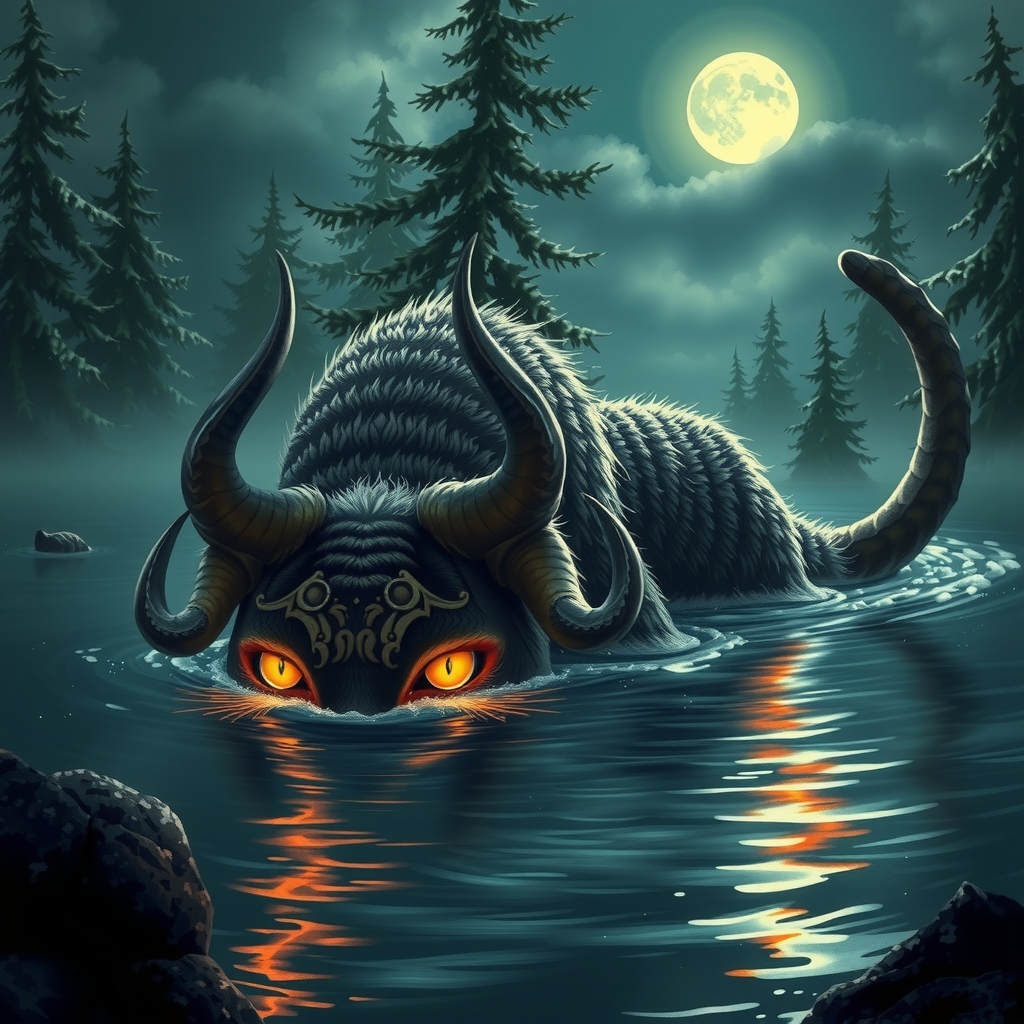
Mishipeshu
The Great Lynx of Ojibwe and Algonquin tradition — a horned, panther-like water spirit with copper scales who lives in the deepest lakes and causes dangerous currents and storms.
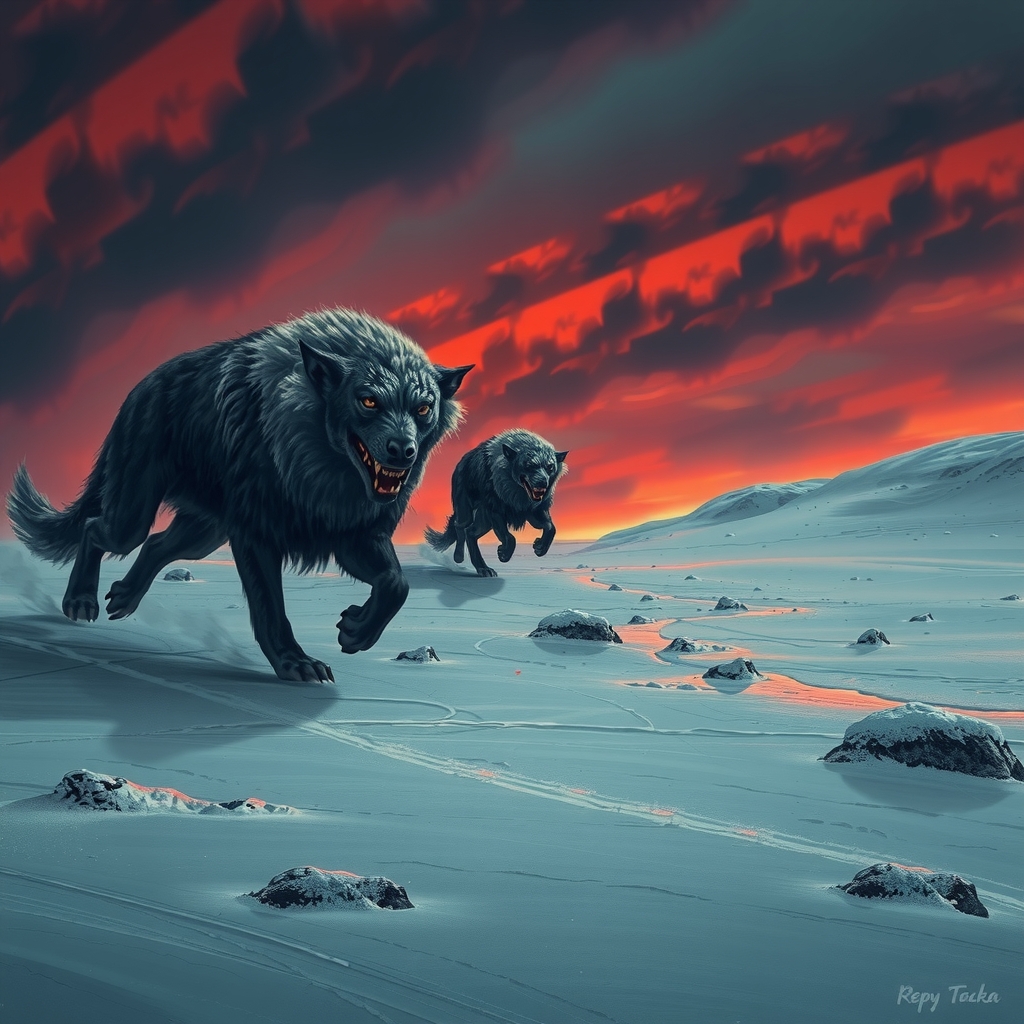
Adlet
Inuit legend's half-human, half-dog hybrids — offspring of a woman who married a dog spirit. Some fled to become the ancestors of inland peoples; others became dangerous monsters.
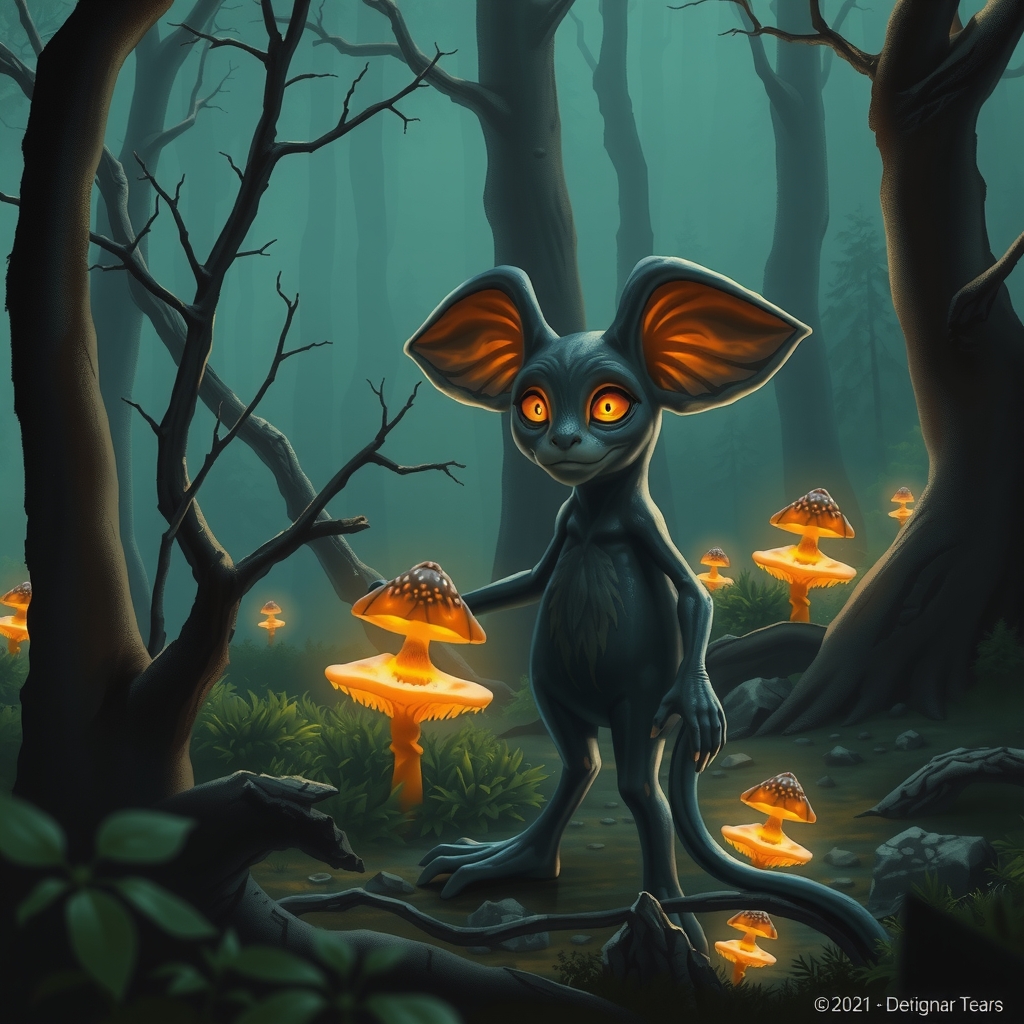
Pukwudgie
Small, grey-skinned forest beings of Wampanoag and related Algonquian traditions — capricious spirits who can be helpful or deadly, vanishing and reappearing without warning.
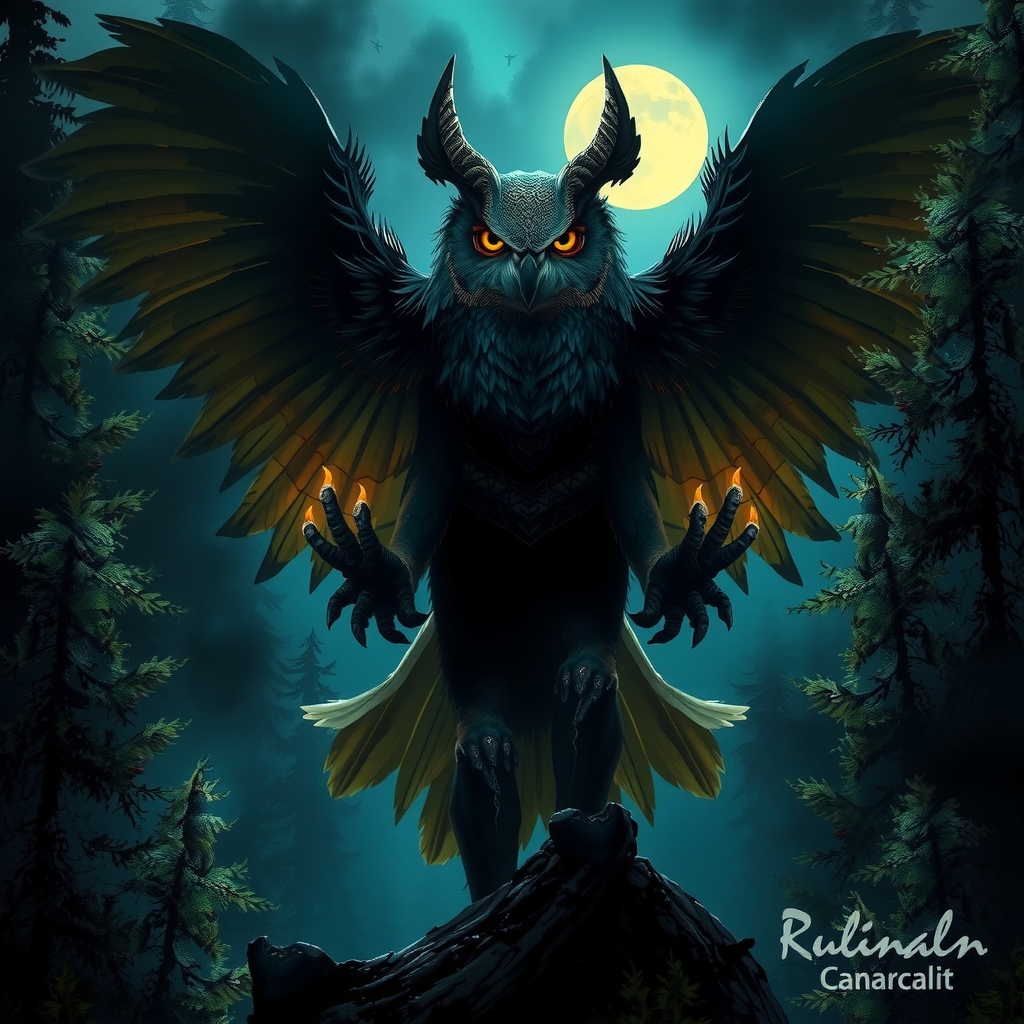
Stikini
Shape-shifting owl-witches of some eastern traditions who remove their organs at night and transform into predatory owl spirits, hunting human souls under the darkness.
Sacred Sites — Mythological Geography of Canada
Canada's landscape is not merely scenery in its Indigenous traditions — it is the mythological record itself: mountains that are petrified giants, rivers that are the pathways of ancestral spirits, and lakes that are the homes of powerful underwater beings. Explore the global context in our Mythology Atlas.
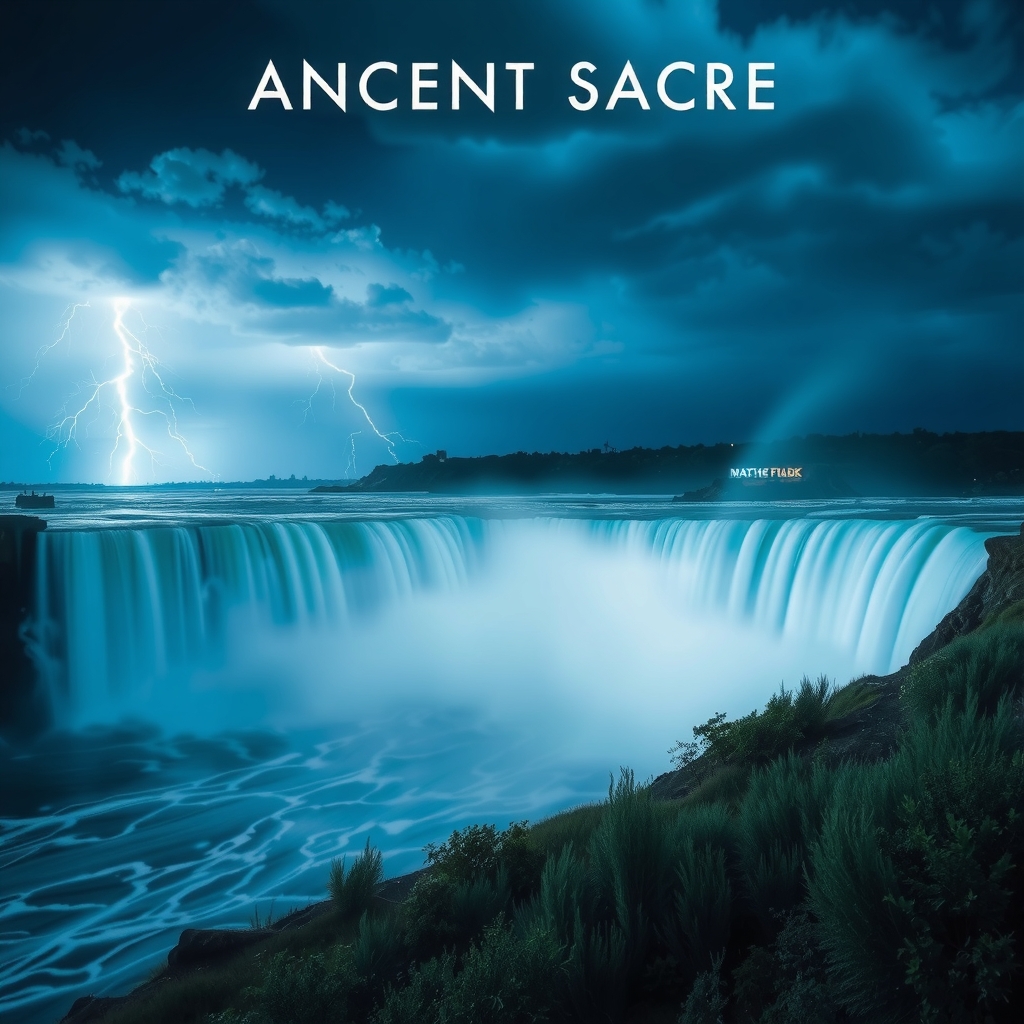
Niagara Falls — Thunderer's Home
In Haudenosaunee (Iroquois) tradition, the falls are the home of Hino, the Thunderer — a powerful sky spirit whose voice is the thunder itself. The mist is his breath. Periodic ritual offerings were made here, and the falls represented the boundary between the human and spirit worlds.
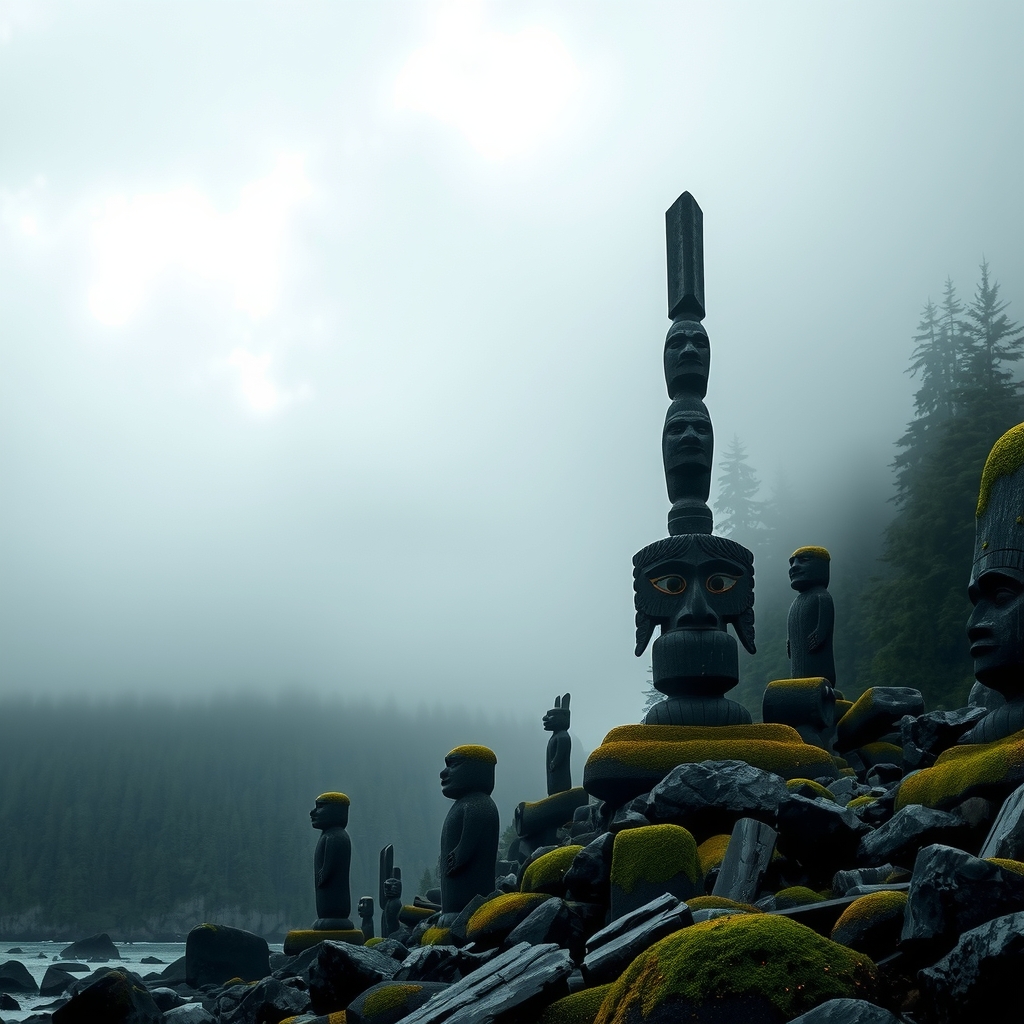
Haida Gwaii — Islands at the Edge of the World
The archipelago off the coast of British Columbia is the mythological heartland of the Haida Nation. In Haida cosmology, Haida Gwaii is the original land, raised from the sea by Raven and populated through his interventions. Every cove, mountain, and forest bears a spirit name and a story.
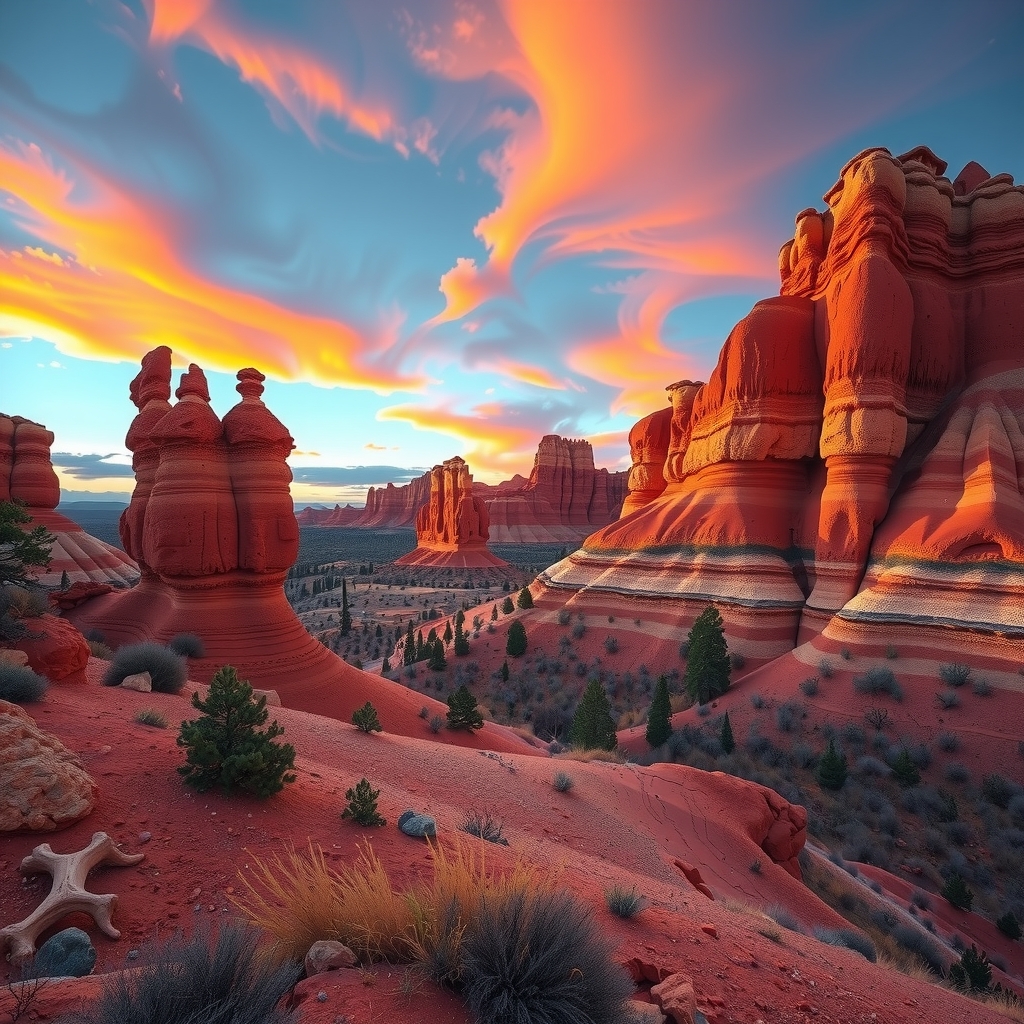
The Badlands of Alberta — Land of the Buried Giants
The eroded hoodoo formations of the Alberta Badlands are, in Blackfoot tradition, the bones of the Thunder People — ancient giants destroyed by the Creator in a prehistoric catastrophe. The fossil-rich terrain gave rise to stories of great beasts from another age, a cultural memory of the actual megafauna whose bones emerge from the clay.
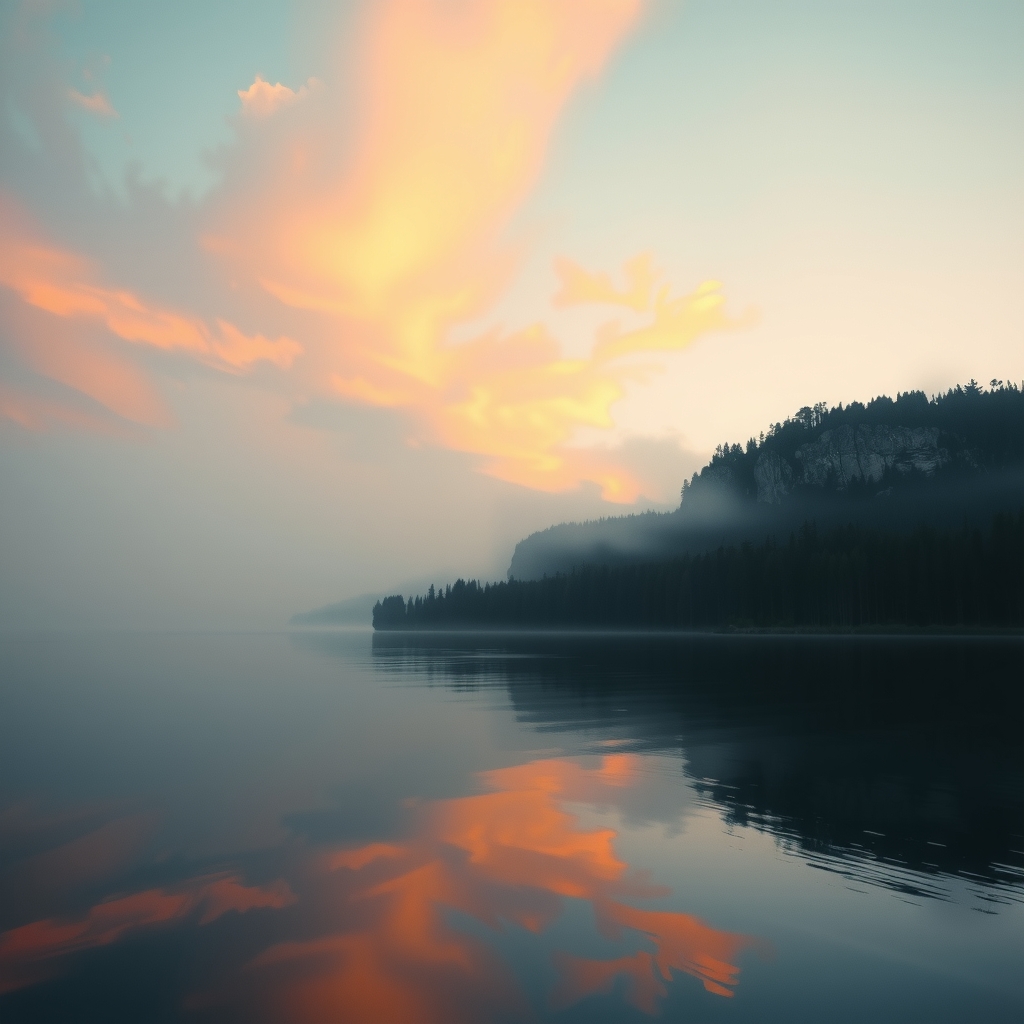
Manitoulin Island — Island of the Great Spirit
The world's largest freshwater island (Lake Huron) takes its name from Manitou — the great spirit-force of Anishinaabe cosmology. It is considered one of the most sacred sites in Anishinaabe spiritual geography, a place where the veil between worlds is especially thin and where powerful manitous have long held council.
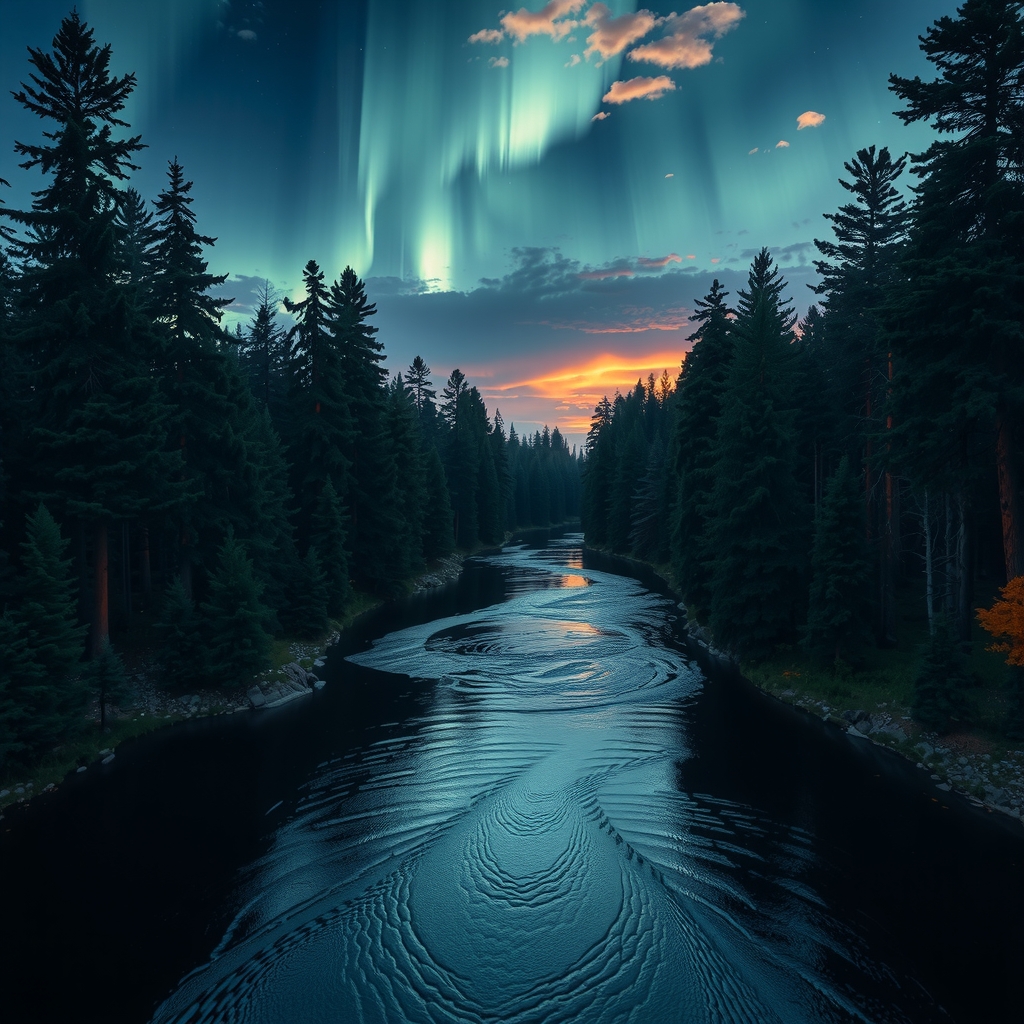
Grassy Narrows — Asubpeeschoseewagong
This Anishinaabe community in northwestern Ontario sits at the nexus of several sacred waterways whose spirit names map the entire mythological history of the region — a living demonstration of how Indigenous geography preserves oral tradition in the landscape itself.
Watch & Learn
Video content exploring Canadian mythology, Windigo legend, Inuit spirits, and First Nations oral tradition is available through our curated mythology video collection.
Explore Mythology Videos on MythalityExplore More Mythologies
Canada's sacred stories connect to a global tradition of creation myths, tricksters, monsters, and spirit worlds. Follow the threads outward.