Creatures &
Monsters
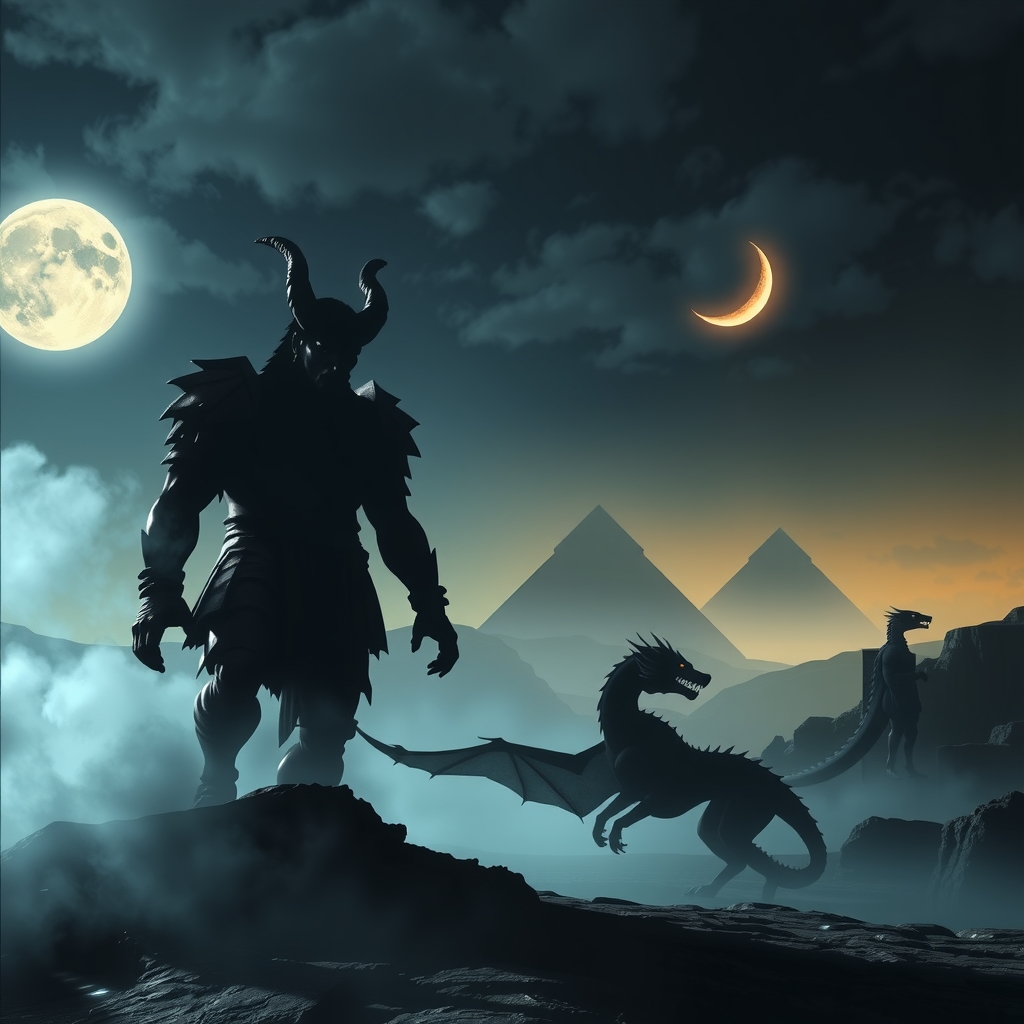
Where serpentine coils met ancient seas, where stone gazes turned heroes to dust — behold the beasts that shaped the mythic imagination of humanity.
Enter the BestiaryAn Introduction
Long before science named the deep, before maps charted every shore, the human mind populated the unknown with creatures of magnificent terror and wonder. These were not mere inventions — they were answers. To the question of why the sea swallows ships, the Kraken rises. To explain the power of deadly beauty, Medusa turns her gaze upon us.
The mythical creature stands at the threshold between the known and the unknowable. Each culture, from the banks of the Nile to the fjords of Scandinavia, birthed its own magnificent monstrous archetypes — beings that embodied the fears, the sins, the wild forces of the natural world that mortals could not tame.
Here in the Bestiary of Mythality, we walk carefully through the dark. Each entry is a study in lore, in symbol, in the aching human need to give form to formlessness. These are not stories of monsters — they are stories of what it means to be human, told in scales and serpent-hair and fire.
Medusa
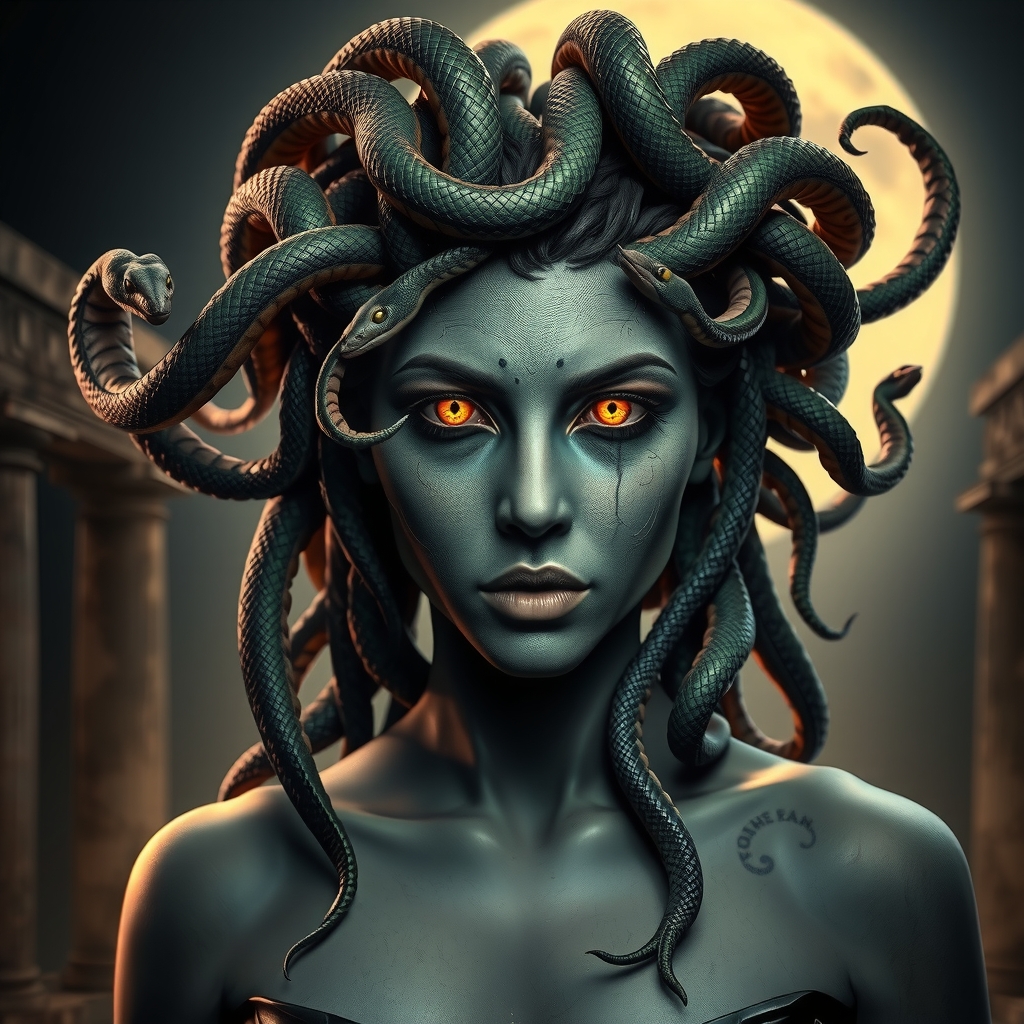
Of the three Gorgon sisters born to the sea-gods Phorcys and Ceto, only Medusa was mortal — and only Medusa was beautiful, or once had been. Ancient accounts tell of tresses like rivers of gold, until Poseidon's violence in Athena's sacred temple earned her a punishment as terrible as the crime: her hair became writhing serpents, her gaze became death made manifest.
Yet to look upon the Gorgon's full tragedy is to see a victim transformed into something monstrous by the cruelty of gods. Perseus, guided by Athena's mirrored shield, beheaded her in her sleep. From her severed neck sprang Pegasus, the winged horse, and Chrysaor — life born from violent death. Even after death, her head retained its petrifying power, wielded as a weapon by the very hero who slew her.
The Minotaur
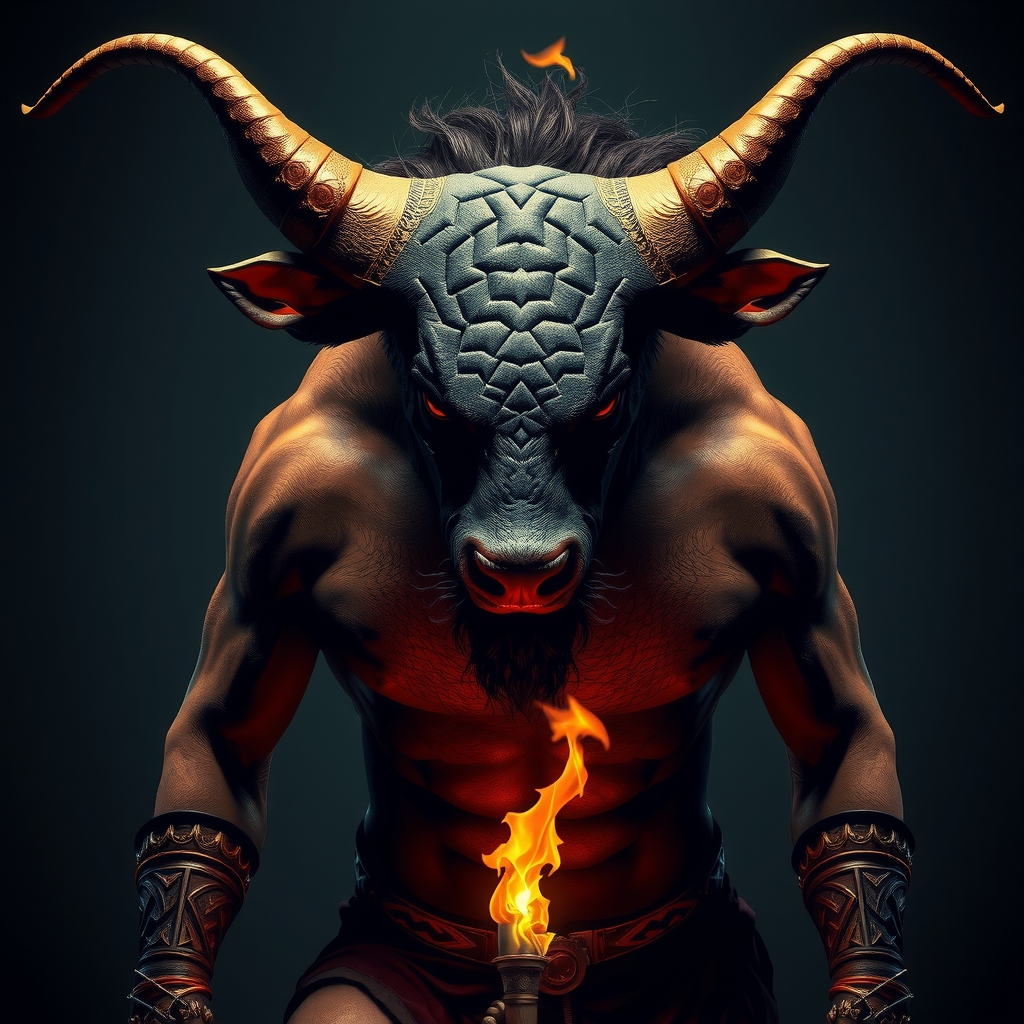
Half man, half bull — Asterion was the shameful secret of King Minos of Crete, born of an unnatural union between Queen Pasiphaë and a divine white bull sent by Poseidon. His body, growing to monstrous proportions, required no ordinary cage. Daedalus, master craftsman, was commissioned to build the Labyrinth: a structure of such bewildering complexity that even its architect could scarcely navigate it.
Year upon year, fourteen Athenian youths — seven maidens, seven young men — were sent into the maze as tribute and tribute became a feast. When Theseus of Athens volunteered himself as sacrifice, it was the Minotaur's own half-sister Ariadne who handed the hero the thread that would unravel fate. Deep in the dark, where no light reached, the son of a god and a queen met his end — and with him, the terror of the Labyrinth died.
The Sphinx
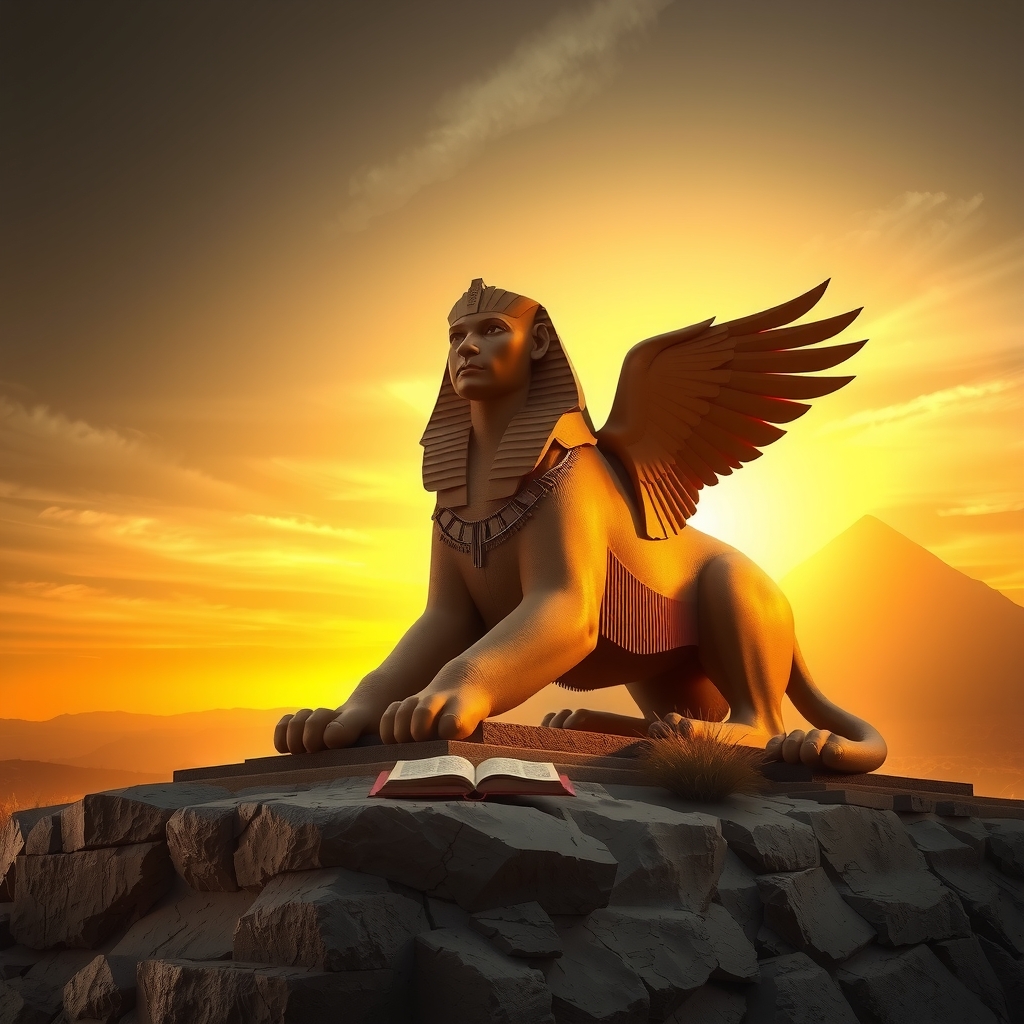
Two great civilizations imagined the Sphinx, and their visions diverged as magnificently as their rivers. In Egypt, the Great Sphinx of Giza stands eternal guardian — a lion-bodied, human-headed colossus representing royal power, solar divinity, and the union of human intelligence with animal strength. It does not speak; it watches. For thousands of years.
The Greek Sphinx was altogether more dangerous. She crouched upon a rock above the road to Thebes — part woman, part lion, part eagle — and posed a single riddle to all who passed: "What walks on four legs at dawn, two at midday, and three in the evening?" Failure meant death. When Oedipus answered — "Man" — the Sphinx cast herself from the cliff in fury. Wisdom was her undoing, as it so often is for those who deal in riddles.
The Kraken
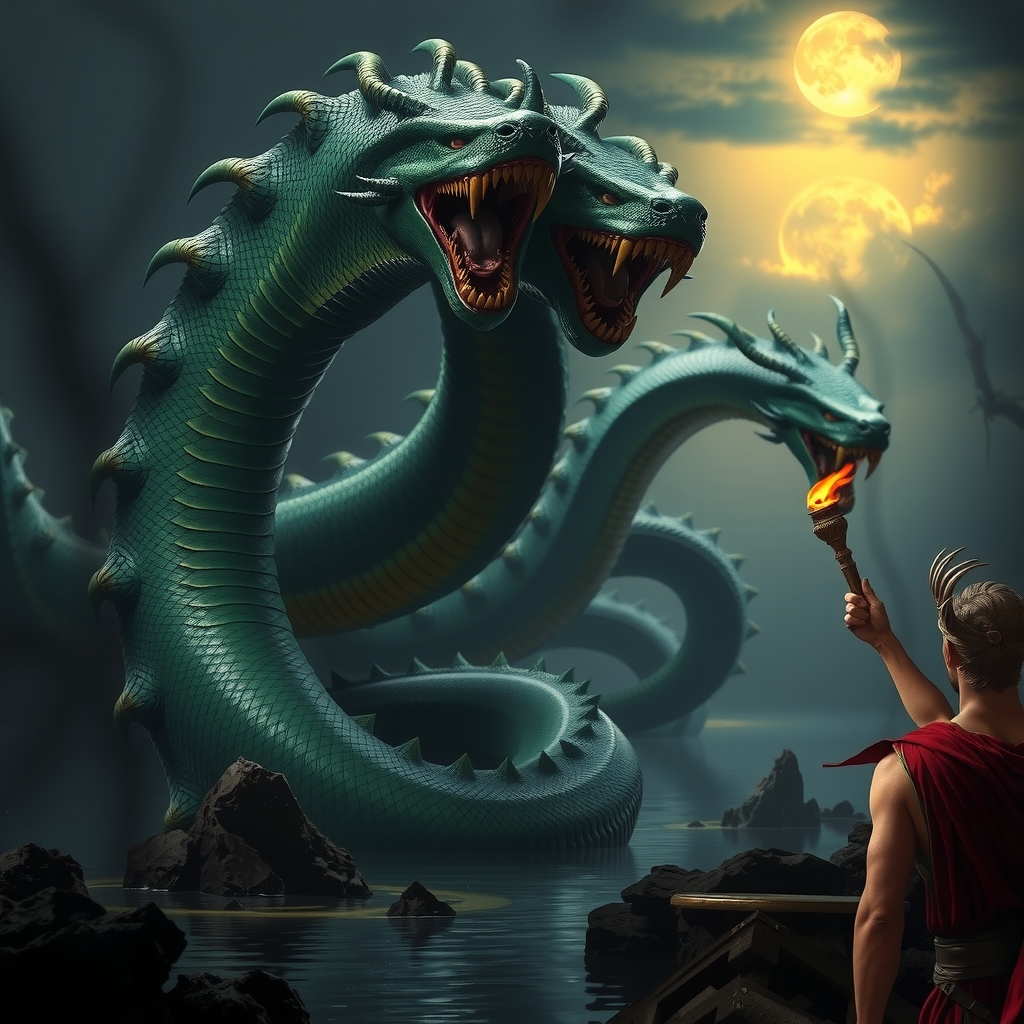
There are monsters that spring from imagination, and there are monsters that spring from genuine terror — the Kraken is both. Norse sailors told of a creature so vast it could be mistaken for a cluster of islands, only for the "land" to sink beneath panicked boots as tentacles the size of ship masts rose from black water. The 13th-century Konungs skuggsjá describes it as the largest creature in all the seas.
Erik Pontoppidan, the 18th-century Norwegian bishop whose Natural History of Norway catalogued the creature with scholarly seriousness, described it as one and a half miles in circumference. Modern understanding suggests giant squid sightings fuelled these tales — creatures real enough in their alienness to seed any legend. But the Kraken of myth is pure archetype: the unfathomable deep made flesh, the proof that the ocean holds dominion over all who dare sail it.
Dragons
No mythical creature has spread so far, so deeply, across every human civilization as the dragon. That this should occur independently — in cultures with no contact — remains one of mythology's great mysteries. In Europe, the dragon is chaos: a fire-breathing serpentine destroyer hoarding gold, demanding sacrifice, laid low by saints and knights. In Norse myth, Níðhöggr gnaws at the root of Yggdrasil itself, eternal enemy of cosmic order.
In East Asia, the dragon transforms entirely. Chinese lóng are celestial, benevolent, bringers of rain and imperial favour. They do not burn; they bless. Japanese ryū guard temples and seas with wisdom rather than malice. The contrast is profound: the same serpentine majesty read as terror in one culture, as divine grace in another. Perhaps what both visions share is the same essential truth — that the dragon is simply power, and power is never merely good or evil.
Other Great Beasts
The bestiary of world mythology is inexhaustible. From the depths of Tartarus to the peaks of Olympus, countless creatures wait to be discovered.
Simurgh
Persian MythologyAn enormous benevolent bird of Persian legend, ancient enough to have witnessed the world's destruction three times. Part dog, part lion, part bird — she nests atop the Tree of Knowledge at the centre of the world, granting wisdom to those worthy of her feathers.
Fenrir
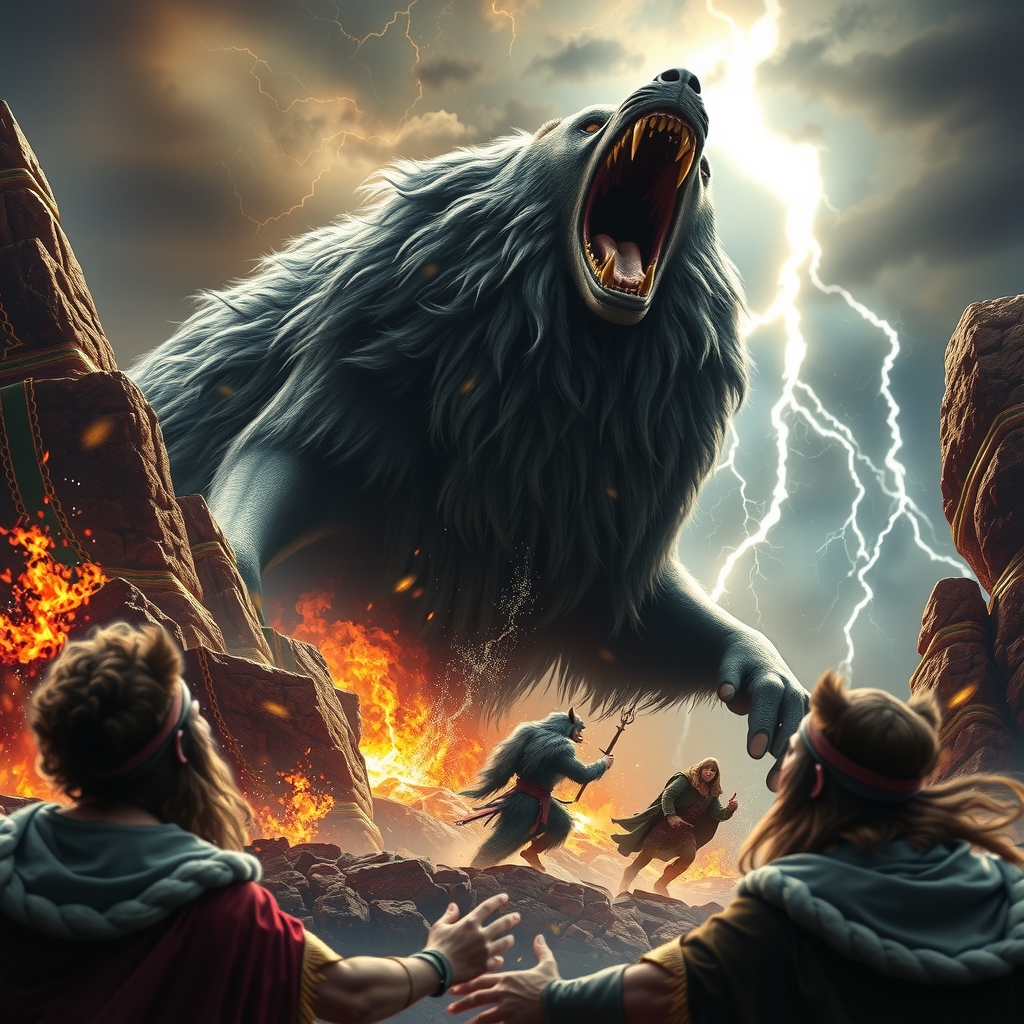
Norse MythologyThe monstrous wolf-son of Loki, whose growing strength so alarmed the Æsir that they bound him with Gleipnir — a ribbon-thin magical fetter forged from impossible things. At Ragnarök he breaks free, swallowing Odin himself before being slain by Víðarr.
Phoenix
Egyptian & GreekThe undying bird that every five hundred years builds a nest of cinnamon and myrrh, ignites it with the heat of its own song, and rises from the ash renewed. In Egypt it was the Bennu, sacred to Ra — the eternal cycle of sun and death and resurrection made feathers and flame.
Cerberus
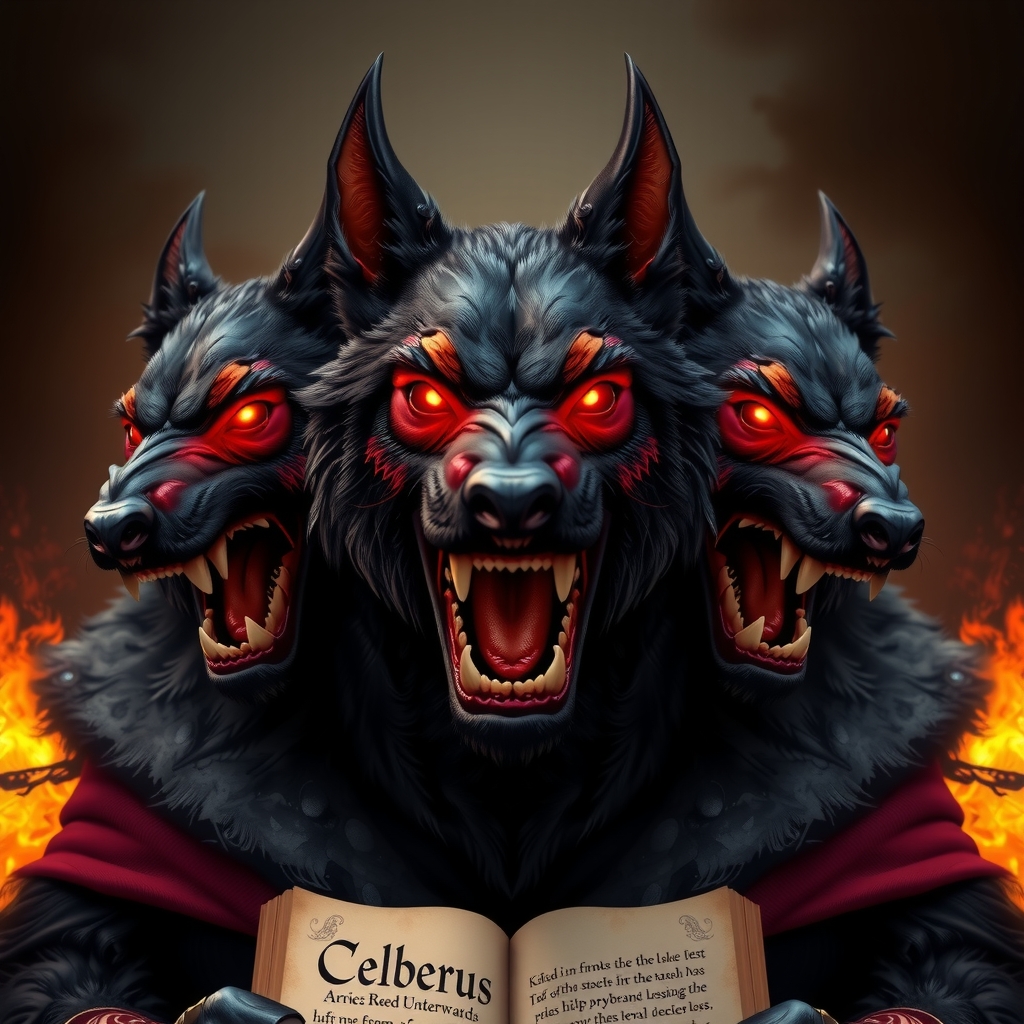
Greek MythologyThe three-headed hound that guards the entrance to the Underworld, ensuring the dead remain within and the living without. Each head reportedly possesses a mane of writhing serpents, and his tail is a serpent's tail. Only music, honey-cakes, and extraordinary heroes have ever bypassed his watch.
Ammit
Egyptian MythologyPart lion, part hippopotamus, part crocodile — Ammit waits beside the Scales of Ma'at at the moment of judgment. If a heart weighed heavier than the feather of truth, she devoured it, condemning the soul to a second death: the oblivion called Ammit's belly, from which there is no return.
Sleipnir
Norse MythologyEight-legged son of Loki and the finest horse in all the Nine Realms, gifted to Odin. Sleipnir could travel between worlds — through Midgard, Jötunheimr, even into Hel itself. No terrain, no boundary between the living and the dead, could slow those eight hooves.
In Motion & Sound
Video explorations of mythical creatures are available across our channels. No preview can capture the depth of these tales — they must be read, studied, and felt.
Visit the Mythality archive for documentary and oral readings of these ancient bestiary entries — links available on our home page.
Venture Beyond
the Bestiary
The creatures of myth did not live in isolation — they walked alongside gods, defied heroes, and shaped the fates of entire civilizations. Follow their trails back to the myths that birthed them.