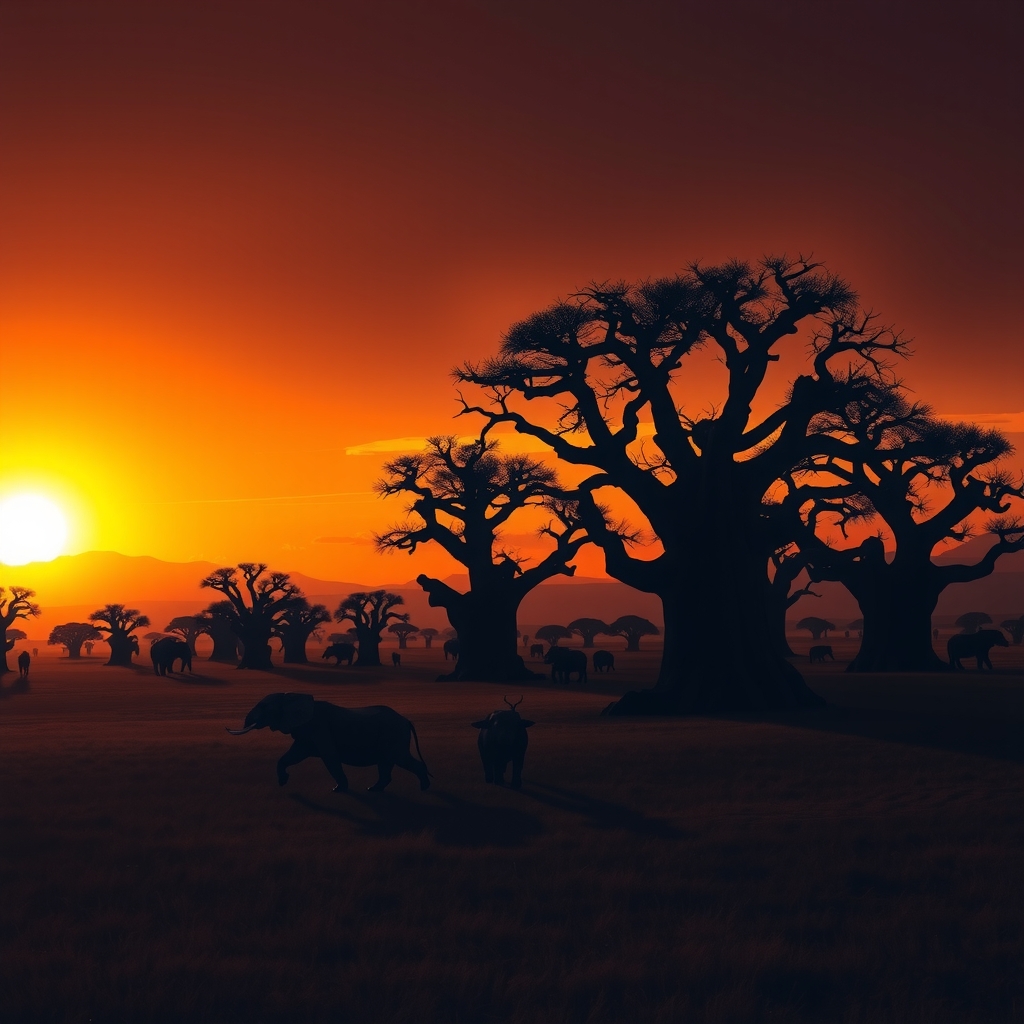
Mythality · African Mythology
Orishas, Anansi & the Stories of the Continent
From the Yoruba orishas of Nigeria to the star-knowledge of the Dogon, from Nubian Kush to Zulu creation — explore Africa's ancient mythologies nation by nation, civilization by civilization.
Explore by Ancient Country & Region
Eight Civilizations, Eight Mythological Worlds
Africa's mythological heritage is too vast for a single page. Dive deep into each tradition — from the orishas of Yorubaland to the cosmic architecture of the Dogon, the warrior spirits of Zulu memory, and the sacred cosmology of ancient Kush.
Nigeria · West Africa
Yoruba Mythology
The 401 orishas, Olódùmarè the Supreme Being, Ifá divination, and a cosmology that spread across the Atlantic into Candomblé, Santería, and Trinidad's Orisha faith.
Explore YorubaSudan · Ancient Kush
Nubian Mythology
The kingdom of Kush and its sacred city Meroë — lion-headed Apedemak, the worship of Amun adapted from Egypt, and a proud tradition that rivalled the pharaohs for millennia.
Explore NubianGhana · West Africa
Akan Mythology
Anansi the spider-trickster, sky god Nyame, and the Anansesem story tradition that crossed the Atlantic and became woven into the folk imagination of two continents.
Explore AkanSouthern Africa
Zulu Mythology
Unkulunkulu the Ancient Ancient One, the reed-bed of creation, the chameleon who brought death by walking too slowly, and the ever-present amadlozi ancestor spirits.
Explore ZuluMali · West Africa
Mali Empire Mythology
The founding epic of Sundiata Keita, the Mande creation tradition, Faro the water spirit of the Niger, and the griot tradition that kept the empire's sacred stories alive for centuries.
Explore MaliEastern Nigeria
Igbo Mythology
Chukwu the supreme deity, Chi the personal divine spirit, the earth goddess Ala, and a richly layered cosmos where ancestors, forest spirits, and the living are bound in ongoing covenant.
Explore IgboEthiopia · Aksum
Ethiopian Mythology
The Aksumite civilization, the Kebra Nagast and the legend of Solomon and the Queen of Sheba, the sacred Ark of the Covenant tradition, and pre-Christian Cushitic beliefs.
Explore EthiopianMali · Cliff Country
Dogon Mythology
The Nummo creation myth, the Pale Fox trickster, extraordinary astronomical knowledge encoded in sacred story, and cliff-dwelling rituals that have endured for over a thousand years.
Explore DogonThe Living Mosaic
A Continent of Countless Traditions
Africa is home to more than 3,000 distinct ethnic groups and thousands of languages — each carrying its own sacred stories, cosmologies, and divine beings. To speak of "African mythology" is not to collapse this richness into one story, but to celebrate an extraordinary abundance. This hub explores eight of the continent's great ancient traditions in depth: Yoruba, Nubian/Kush, Akan, Zulu, Mali, Igbo, Ethiopian/Aksum, and Dogon — each with its own dedicated page. From the river deltas of West Africa to the highlands of the ancient Horn, from Saharan cliff-dwellers to the kingdoms of the Nile, the stories are alive.
Yoruba
Orishas, Ifá divination, and Olódùmarè the Supreme Being of West Africa's most influential tradition.
Akan & Ashanti
Home of Anansi the spider-god, sky deity Nyame, and a rich tradition of folktale and proverb.
Zulu & Bantu
Creation by Unkulunkulu, ancestor spirits (amadlozi), and the shaping of humanity from reeds.
Egyptian
One of the world's oldest recorded mythologies — Ra, Osiris, Isis, and the great cosmology of the Nile.
Dogon
Extraordinary astronomical knowledge embedded in the Nummo creation myth of Mali.
Igbo
Chukwu the supreme god, Chi the personal spirit, and a layered world of earth deities and ancestors.
Yoruba Tradition
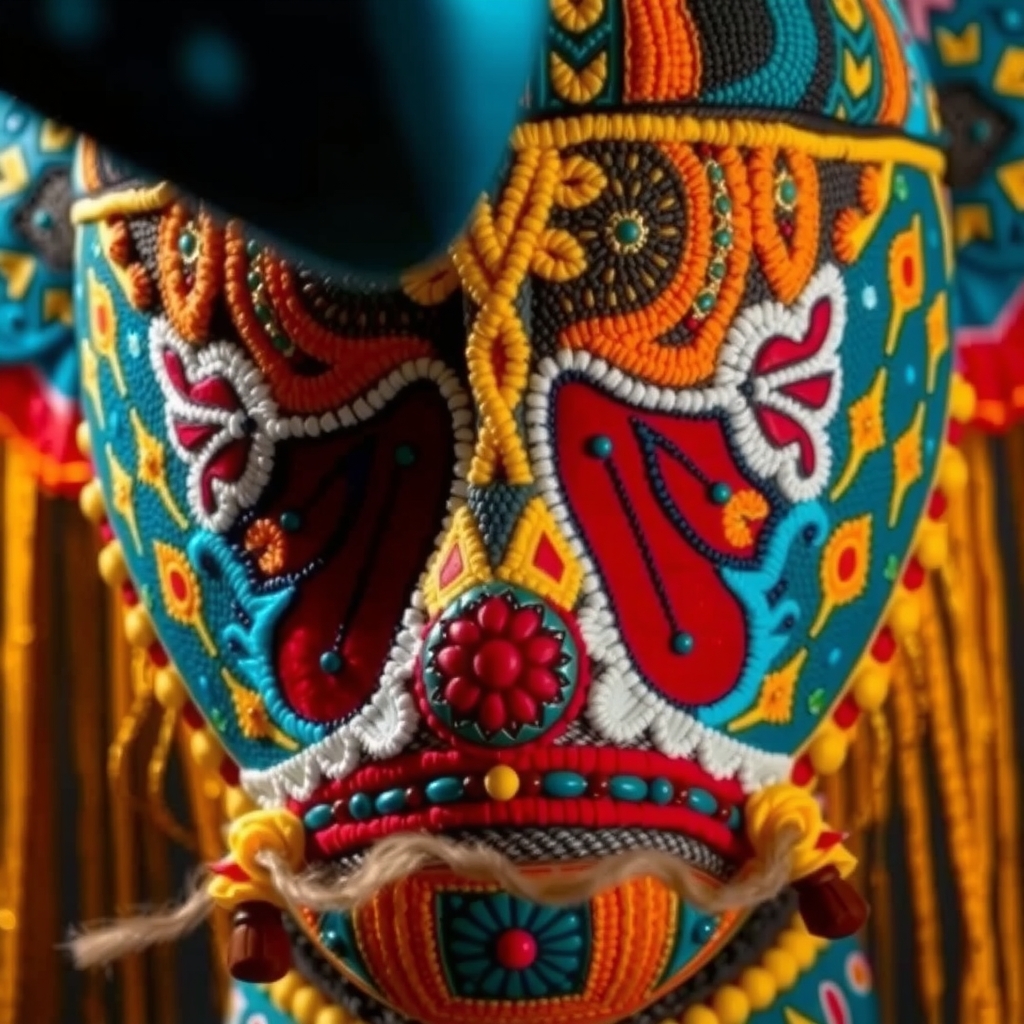
The Orishas — Divine Intermediaries of the World
In Yoruba cosmology, Olódùmarè — the supreme, unknowable divine force — created the cosmos and entrusted its stewardship to the orishas: powerful divine beings who each govern a domain of existence and serve as intermediaries between humanity and the infinite.
There are said to be 401 orishas — perhaps many more. Each has a personality, sacred colours, offerings, and a domain in the living world. The tradition did not stay contained in West Africa. Through the transatlantic slave trade, Yoruba spirituality became the living root of Candomblé in Brazil, Santería in Cuba, and Trinidad's Orisha faith.
Akan & Ashanti
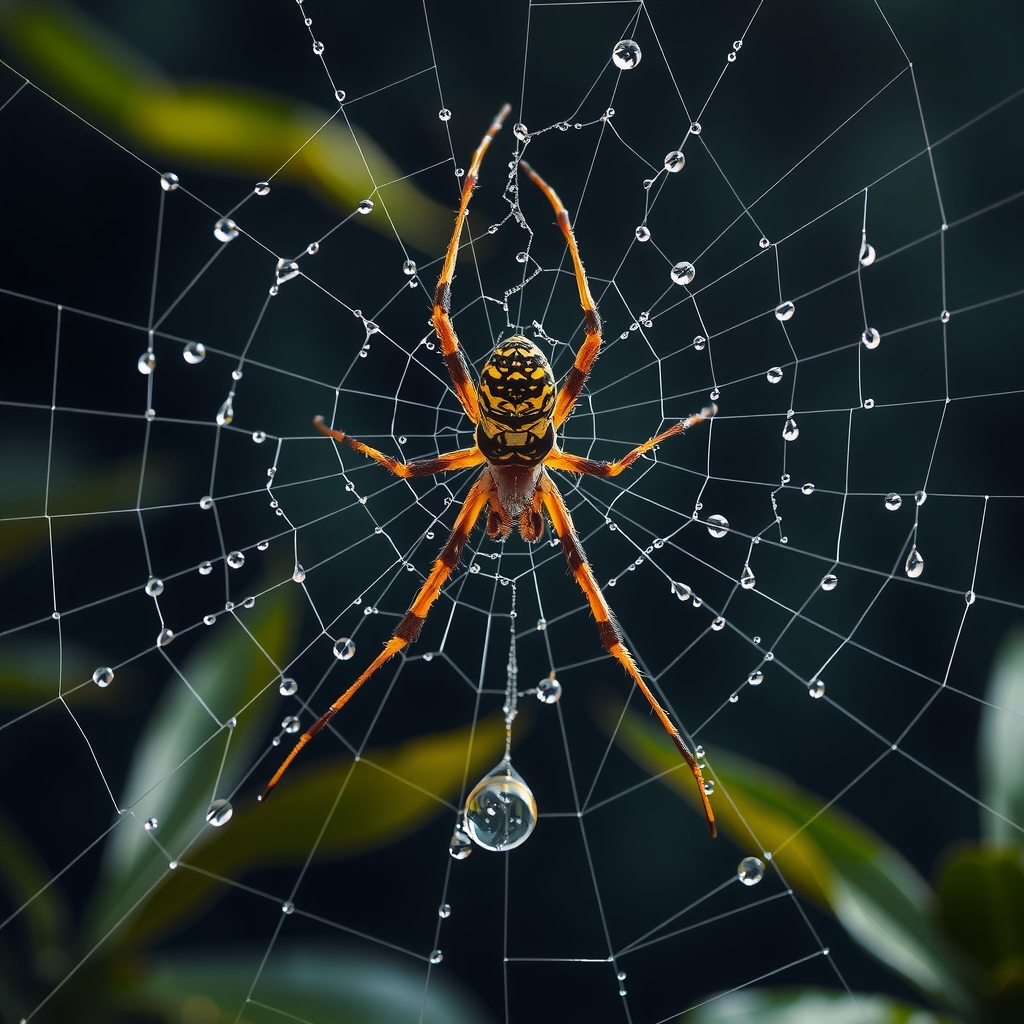
Anansi — The Spider Who Stole All Stories
Of all the trickster figures in world mythology, Anansi the Spider may be the most beloved. Born from the Akan people of Ghana, Anansi is at once a god of knowledge and a cunning rogue who outsmarts gods, kings, and monsters through wit rather than strength.
The Anansi stories (Anansesem) were carried across the Atlantic with enslaved Akan people and took root in the Caribbean, the American South, and beyond — evolving into Br'er Rabbit, Compère Lapin, and countless other trickster archetypes. Like the web he spins, Anansi's stories connect cultures across centuries.
Southern & Central Africa
Zulu & Bantu Creation — From the Reed Bed of Eternity
The Zulu people tell of Unkulunkulu — "the Ancient Ancient One" — who broke off from a great bed of reeds (uhlanga) at the beginning of time and created the first people, animals, and the laws of life. He taught people to make fire, to cultivate crops, and to marry.
Across Bantu-speaking Africa, similar themes recur: creation as emergence, the intimate connection between the living and ancestral spirits (amadlozi), and a cosmos in which the dead remain active participants in the lives of the living. Death itself, in many Zulu accounts, was an accident — a misunderstanding between Unkulunkulu's messengers.

West African Cosmology
Worlds Within Worlds
West African cosmologies are sophisticated multi-layered systems — not primitive superstition, but philosophically intricate maps of reality that encode ethics, ecology, and human purpose.
The Supreme Being
Nearly all West African traditions recognise a distant, all-encompassing creator — Olódùmarè (Yoruba), Nyame (Akan), Mawu (Fon) — too vast to be approached directly, hence the need for intermediaries.
The Spirit World
The seen world (Àiyé) and the unseen spirit world (Òrun) exist in continuous exchange. Health, misfortune, and destiny are shaped by relationships maintained across both realms.
Ifá & Divination
The Yoruba Ifá oracle — encoded in 256 chapters called Odù — is a living mythological library consulted by babalawo (priests) to diagnose imbalance and prescribe alignment with one's destiny (orí).
Destiny & the Self
Many traditions hold that each soul chooses its destiny before birth. Life's work is to remember and fulfil it — a philosophy that resonates strikingly with Platonic myth and Japanese concepts of ikigai.
The Dogon & the Stars
The Dogon of Mali encoded knowledge of Sirius B — invisible to the naked eye — within their Nummo creation myth centuries before its Western scientific discovery, prompting enduring scholarly debate.
Ubuntu & Community
"I am because we are." The philosophy of Ubuntu — rooted in Bantu-speaking Africa — reflects a mythological worldview in which personhood is constituted through relationship, not isolation.
Living Mythology
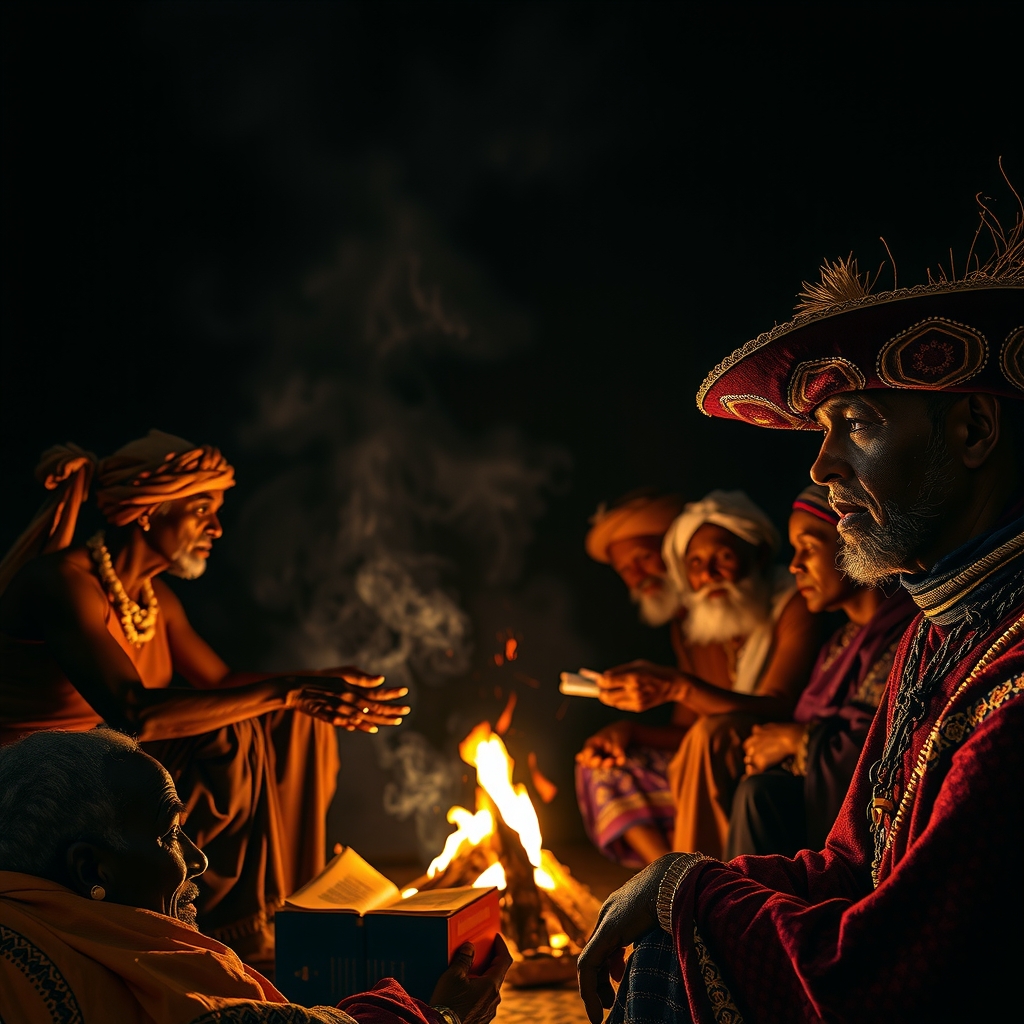
Mythology as Oral Tradition — Stories That Breathe
Across most of Africa, mythology has never been archived in stone temples or buried libraries. It lives in the voice — passed mouth to ear across generations in fireside evenings, ceremonial chants, praise poetry (izibongo), and the intricate call-and-response of communal ritual.
This oral nature is not fragility — it is vitality. A story retold is a story re-lived. Griots (jali) in West Africa are professional keepers of history and myth, able to recite genealogies spanning a thousand years. In this sense, African mythology may be the world's most continuously living mythological tradition.
Where Western scholarship once dismissed these traditions as "folklore," scholars now recognise them as complex systems of knowledge — ecological, ethical, psychological — expressed in the most powerful human medium: story.
Mythological Geography
Where the Ancient Stories Were Born
Each African civilization developed its mythological tradition in a specific landscape — shaped by rivers, deserts, forests, and coastlines. Locate the eight traditions on the continent.
Yoruba
Southwest Nigeria · Gulf of Guinea coast
Sacred city of Ilé-Ifè — believed to be the point where Obatala descended on a chain to create the earth.
Nubian / Kush
Nile Valley · Modern Sudan
Kingdoms of Kerma, Napata, and Meroë — over 200 pyramids still stand in the Sudanese desert.
Akan
Southern Ghana · Ivory Coast
Forest and savanna homeland of the Ashanti — Anansi stories told at the foot of the Volta River.
Zulu
KwaZulu-Natal · Southern Africa
Rolling hills and river valleys where Unkulunkulu first emerged from the uhlanga reed bed.
Mali Empire
Upper Niger River · West Africa
Timbuktu and Niani — crossroads of the Saharan trade routes and the griot storytelling tradition.
Igbo
Lower Niger Delta · Southeast Nigeria
Dense forest homeland of the Chi cosmology — one of Africa's most philosophically intricate traditions.
Ethiopian / Aksum
Ethiopian Highlands · Horn of Africa
Ancient Aksum — a crossroads of Cushitic, Arabian, Egyptian, and later Christian cosmological traditions.
Dogon
Bandiagara Escarpment · Central Mali
Cliff villages where sacred Sigui ceremonies are held every 60 years — tied to the orbit of Sirius B.
A Living History
Timeline of Ancient African Civilizations & Their Mythologies
Africa's mythological traditions are inseparable from its great civilizations. This timeline traces the arc from the earliest known sacred practices to the traditions still alive today.
-
c. 10,000 BCE
Saharan Rock Art & Early Cosmology
The Green Sahara period produces some of Africa's oldest sacred imagery — cattle rituals, celestial figures, and animal spirits painted across the Tassili n'Ajjer plateau, suggesting sophisticated animist cosmologies.
-
c. 3500 – 30 BCE
Ancient Egypt — The Nile Mythology
Ra, Osiris, Isis, Horus, and the Ogdoad of Hermopolis — Egypt's mythological tradition is one of the world's most elaborately recorded, spanning over three thousand years of continuous civilization.
-
c. 2500 – 350 CE
Nubia & the Kingdom of Kush
The Kushite kingdoms adapted Egyptian mythology while developing their own — lion god Apedemak, the pyramid-builders of Meroë, and a royal theology that made the king a living conduit between gods and earth.
-
c. 1000 BCE – 940 CE
Aksum & the Ethiopian Tradition
The Aksumite empire rises as a major power, blending Cushitic, Semitic, and later Christian theology. The Kebra Nagast — compiled c. 14th century CE but drawing on ancient oral tradition — encodes the legend of Solomon, Sheba, and the Ark.
-
c. 500 CE – 1600 CE
Mali Empire & Yoruba City-States
The Yoruba city-states consolidate around Ilé-Ifè. The Mali Empire rises under Sundiata (c. 1235 CE), elevating griot oral tradition to a state institution. Timbuktu becomes a centre of Islamic scholarship woven with indigenous cosmology.
-
c. 900 CE – present
Dogon Settlement of the Bandiagara Escarpment
The Dogon retreat to the cliffs to preserve their religion from expanding Islamic influence. Here they maintain the Nummo creation cosmology and the Sigui ceremony cycle — one of the world's most intact living mythological traditions.
-
c. 1400s – 1900s
The Diaspora — African Mythology Crosses Oceans
The transatlantic slave trade forcibly carries Yoruba, Akan, Igbo, and Bantu-speaking peoples to the Americas. Their mythologies survive and transform — Anansi becomes Br'er Rabbit; orishas become saints in Candomblé and Santería; ancestor veneration takes new forms in the Caribbean.
-
20th century – present
Living Traditions & Global Renaissance
African mythologies experience global resurgence through literature (Achebe, Soyinka), film, music, and the African diaspora's reconnection with ancestral traditions. Ifá is recognised by UNESCO as Intangible Cultural Heritage of Humanity in 2008.
The World's Mythologies
The Stories Never End
From the orishas of West Africa to the kami of Japan, from the Slavic forests to the deserts of Mesopotamia — every tradition carries a piece of what it means to be human. Explore them all.