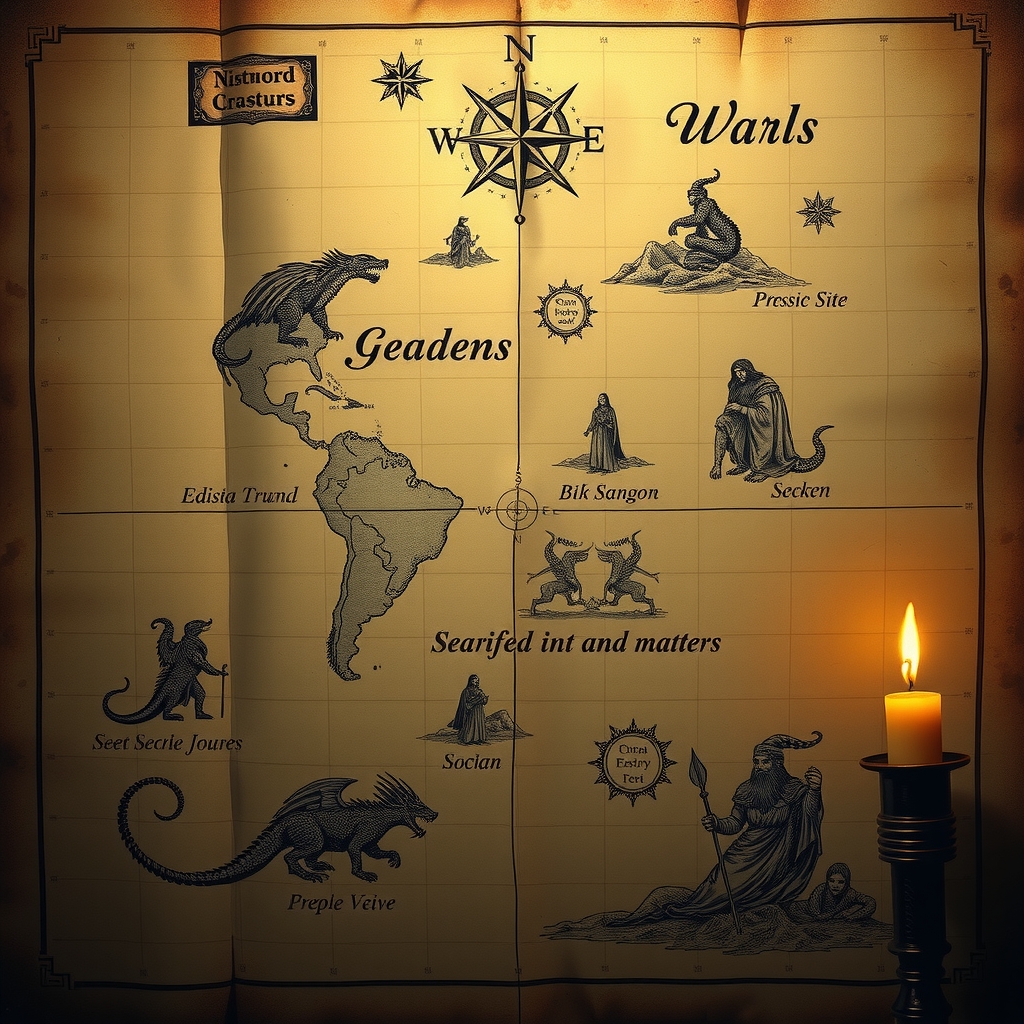
The Mythological World Map
Journey across civilizations and centuries to discover the sacred landscapes that gave birth to humanity's greatest myths — from Olympus to the Duat, from Yggdrasil to the Dragon Seas.
Begin the Journey ↓Sacred Geography of the Ancient World
Every myth is rooted in place. Select a region below to explore its sacred sites and mythological traditions.
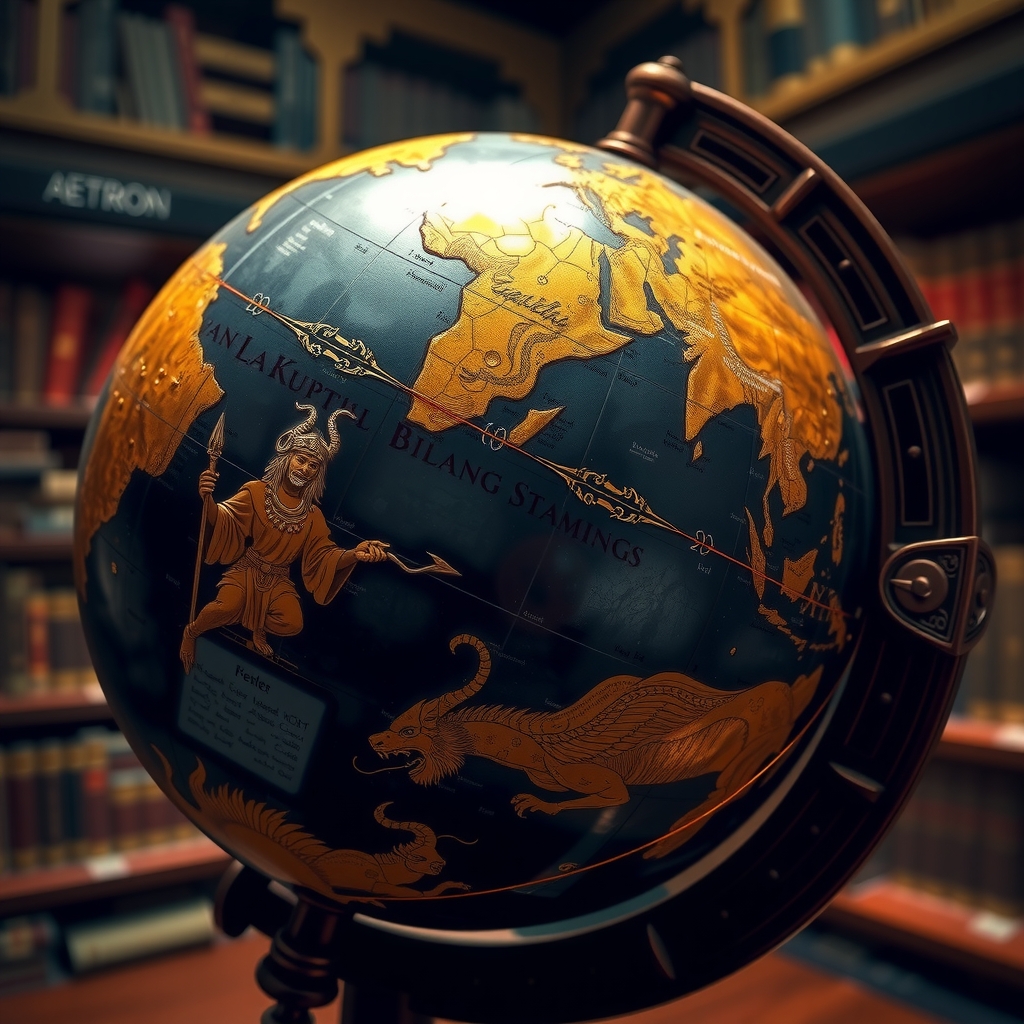
⛰ Greece — Mount Olympus & Sacred Sites
The cradle of Western mythology, where gods walked among mortals and every mountain, spring, and grove held divine presence.
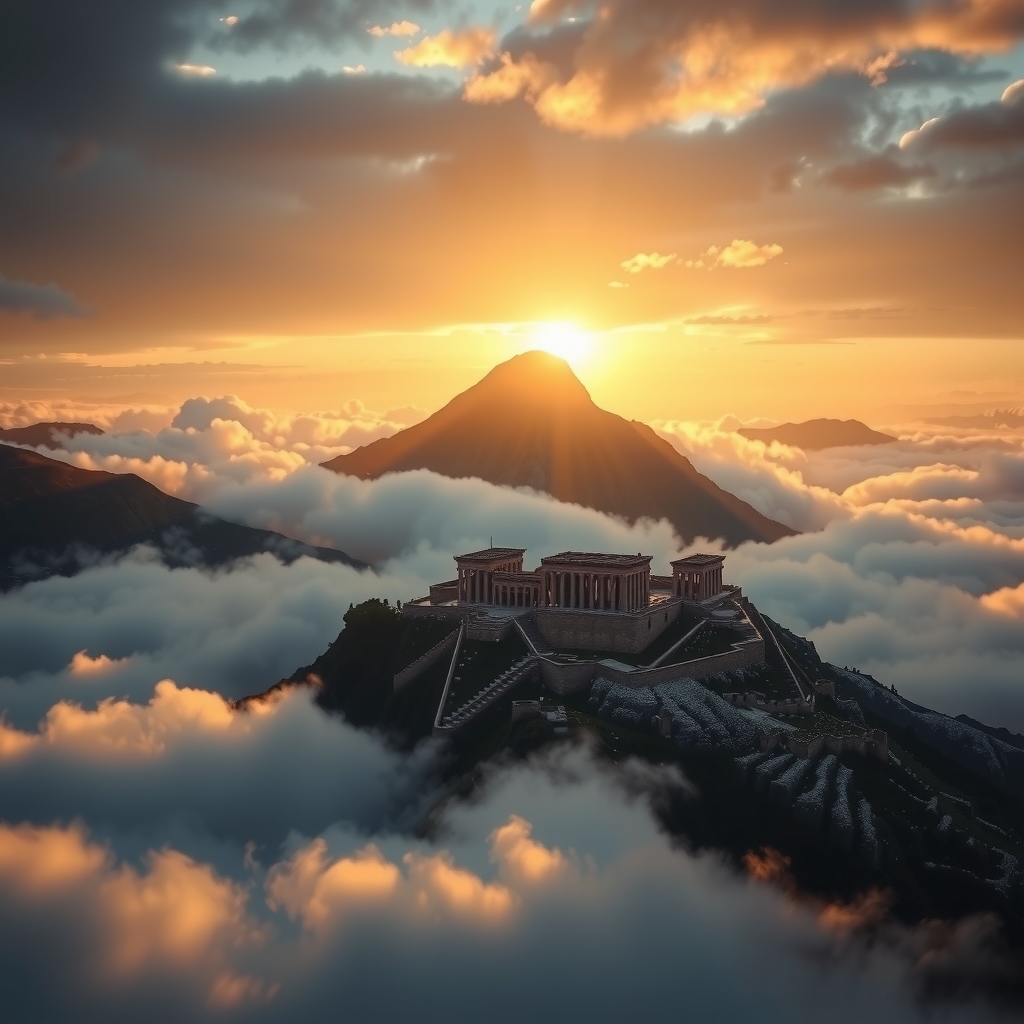
Mount Olympus
Rising 2,917 metres above Macedonia, Olympus was the throne of the twelve Olympians. Its summit, perpetually shrouded in cloud, was considered the literal dwelling of Zeus, Hera, Athena, and the divine court.
Explore Greek Mythology →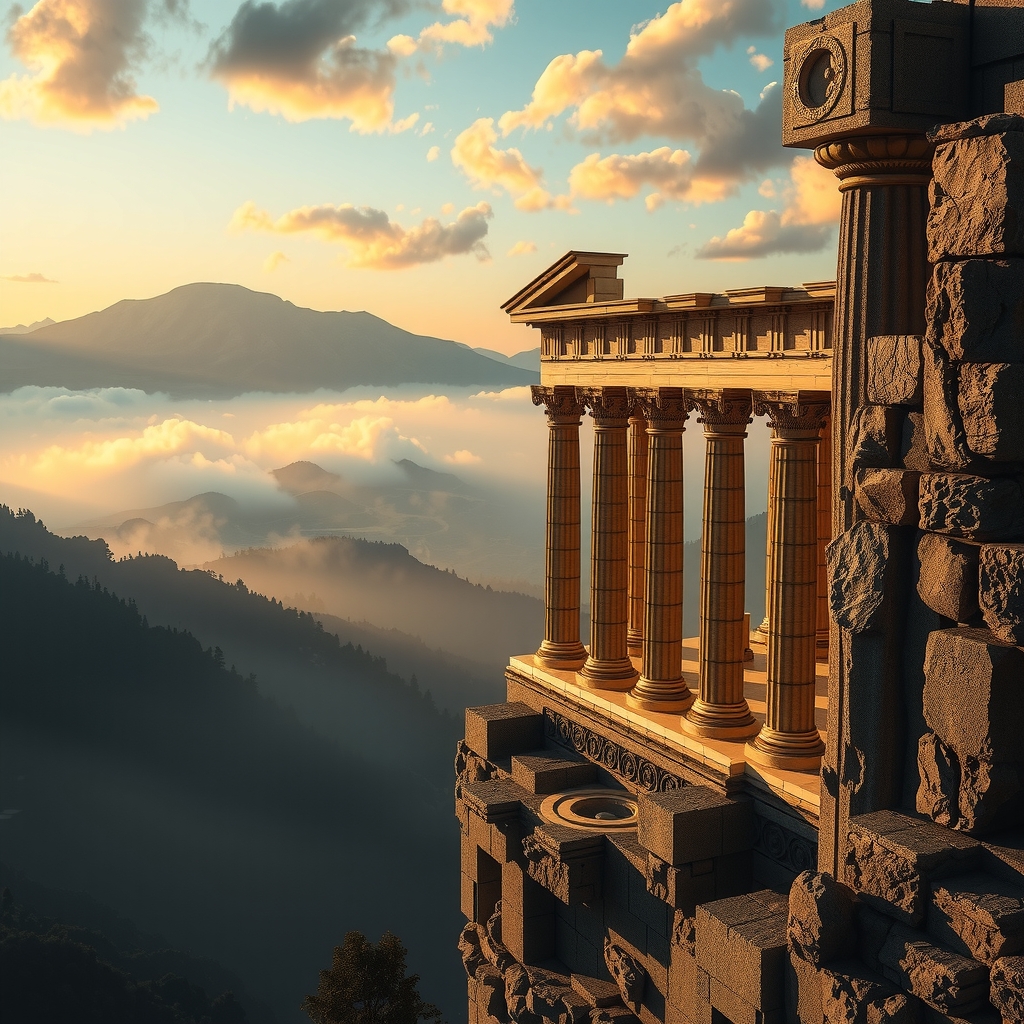
Delphi — The Navel of the World
The Greeks called Delphi the omphalos — the world's navel. Here the Pythia, seated above sacred vapours, channelled the will of Apollo. Kings and generals came to hear fate pronounced.
Read More →The Underworld — Gates of Tartarus
The Greeks located Hades' realm beneath the earth, accessible through cave openings near Lake Avernus and the Acheron river. Charon's ferry crossed the Styx dividing life from death eternal.
Read More →𓂀 Egypt — The Nile, Heliopolis & the Duat
Along the sacred Nile, Egypt's mythological geography mapped the journey of the sun god Ra through the cosmos — from the living world above to the realm of the dead below.
Heliopolis — City of the Sun
Iunu, the City of the Sun, was where Ra first rose from the primordial waters of Nun. The Benben stone — the original mound of creation — stood here, and priests maintained the sacred flame of cosmic order.
Explore Egyptian Mythology →The Nile — Artery of the Gods
The Nile was not merely a river but the embodiment of Hapy, god of the flood, and the mythic boundary between Kemet (black land) and Deshret (red land) — between life and the realm of Set.
Read More →The Duat — Underworld of Osiris
The Duat was the Egyptian afterlife realm, a parallel geography mirroring the Nile's course beneath the earth. Ra navigated it each night in his solar barque, battling Apep before reborn at dawn.
Read More →🏛 Mesopotamia — Babylon & Sumer
Between the Tigris and Euphrates rose humanity's first cities and its first written mythology — where Gilgamesh sought immortality, and Marduk forged the cosmos from chaos.
The Ziggurat — Mountain of the Gods
Mesopotamian ziggurats were artificial sacred mountains, engineered to bring the divine to earth. Babylon's Etemenanki — "House of the Foundation of Heaven and Earth" — may have inspired the Tower of Babel.
Explore Mesopotamian Mythology →Abzu — The Primordial Freshwater Deep
Beneath the earth lay the Abzu, the underground freshwater ocean ruled by Enki, god of wisdom. From its depths emerged magical power, and it was the site of Marduk's great palace in later traditions.
Read More →The Epic Road of Gilgamesh
Gilgamesh's mythic journey carried him from Uruk through the Cedar Forest of the gods, across the Waters of Death, to the mountain where the sun rose — mapping a cosmic geography beyond the mortal world.
Read More →🏔 India — Sacred Mountains & Cosmic Geography
Hindu cosmology mapped an entire universe upon physical landscape — where Mount Meru held the heavens, sacred rivers flowed from the gods, and the cosmos turned through unimaginable cycles of time.
Mount Meru — Axis of the Universe
At the centre of Hindu cosmology stands Mount Meru, the cosmic axis around which all worlds revolve. The gods dwell on its golden summit, with four continents spreading in the four cardinal directions below.
Explore Hindu Mythology →The Ganges — Descent of the Sacred River
The Ganga descended from heaven through Shiva's matted locks to Earth, flowing from the celestial Milky Way to the physical subcontinent. Bathing in its waters was said to wash away lifetimes of karma.
Read More →Patala — The Serpent Underworld
Below the seven layers of earth lay Patala, the underworld realm of the Nagas — serpentine beings of immense power. Said to be more beautiful than heaven, lit by gem-light rather than sun.
Read More →🐉 East Asia — Celestial Courts & Dragon Seas
Chinese mythology conceived the cosmos as a celestial bureaucracy mirroring earthly imperial order, with dragon kings commanding the seas and immortals dwelling atop sacred peaks.
The Jade Palace — Heaven's Court
The Jade Emperor presided over Tiāntíng, the Celestial Court, from a palace atop the highest heaven. This divine bureaucracy governed every aspect of heaven, earth, and the underworld simultaneously.
Explore Chinese Mythology →The Dragon Seas — Four Ocean Kingdoms
Four Dragon Kings commanded the four seas surrounding the world: Ao Guang ruled the Eastern Sea, and their crystal palaces beneath the waves held treasures beyond mortal imagination.
Read More →Mount Kunlun — Axis of Chinese Myth
The mythic Mount Kunlun was the earthly axis of Chinese cosmology — home of the Queen Mother of the West, Xi Wangmu, whose peach garden grew the fruit of immortality ripening once every three thousand years.
Read More →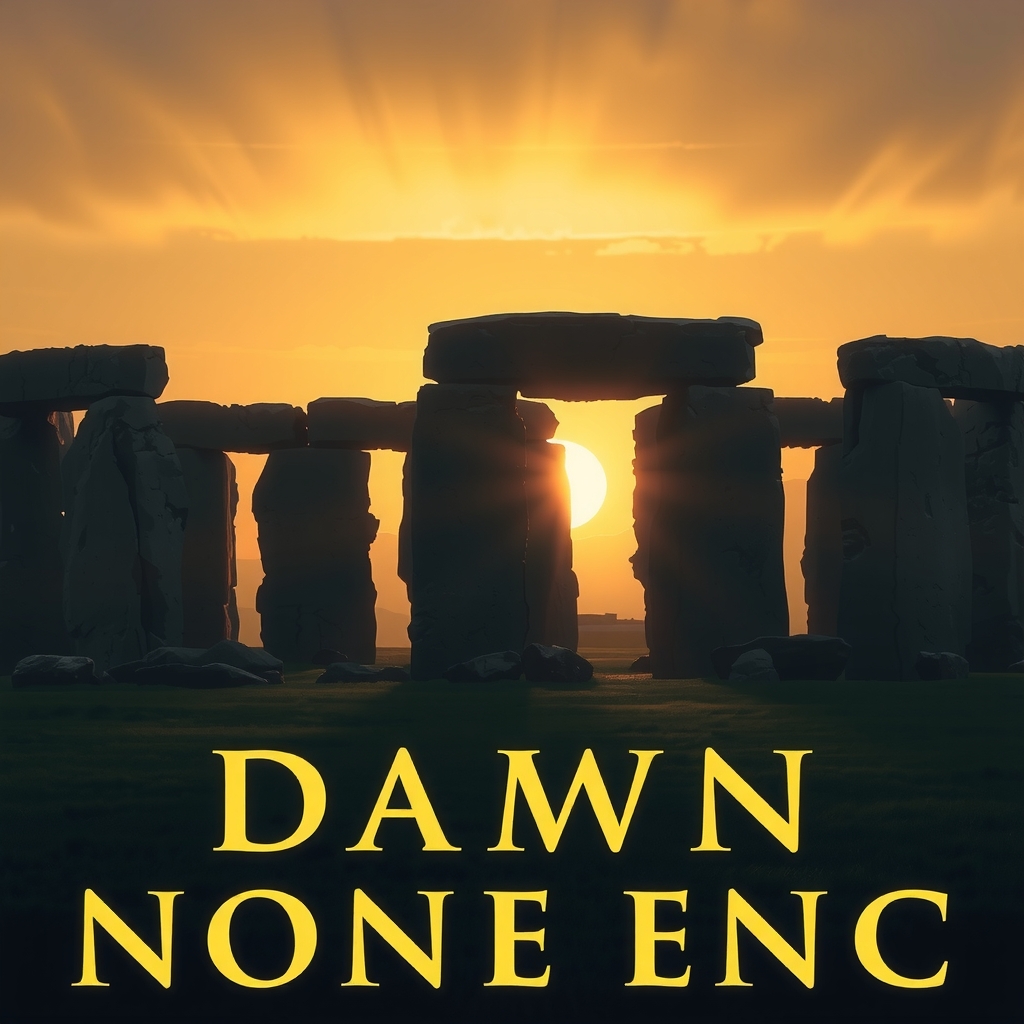
🗿 Stonehenge — Where Sky Meets Stone
🌿 The Celtic Isles — Sacred Groves & Otherworlds
Celtic mythology was rooted in the living landscape — where every hill could be a fairy mound, every lake a portal to the Otherworld, and the forest groves were temples of the Druids' hidden wisdom.
The Sacred Nemeton
The Druids consecrated forest clearings called nemetona — sacred groves where human and divine worlds overlapped. These open-air temples, unmarked by stone, were the heart of Celtic religious practice.
Explore Celtic Mythology →Tír na nÓg — The Land of Eternal Youth
The Irish Otherworld lay beyond the western sea — Tír na nÓg, the Land of the Young, where death did not exist and feasting never ended. Heroes were invited there by divine women who appeared at twilight.
Read More →The Sidhe — Hollow Hills
The Tuatha Dé Danann retreated into the síde — ancient burial mounds transformed in myth into palaces beneath the earth. Newgrange, Knocknarea, and the hills of Brú na Bóinne became thresholds to the immortal realm.
Read More →Explore By Region
Each mythology carries its own sacred geography. Choose a tradition and step into the world its people knew — where gods inhabited peaks, monsters lurked in seas, and the dead walked familiar roads.
Read the Mythological Tales →